


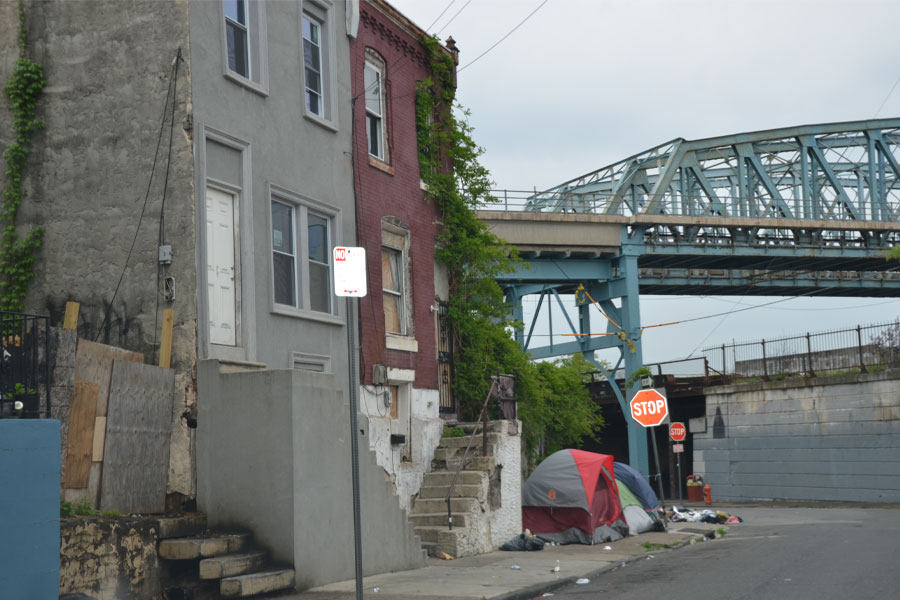
Newly released data show that Philadelphia’s poverty rate has fallen below 20% for the first time since at least 1979, according to the U.S. Census Bureau. Houston now takes its place as the poorest large city in the country. Although Philadelphia no longer holds that title, there isn’t much to celebrate about having “given it up.”
Currently, Philadelphia has the second-highest poverty rate among the ten most populated U.S. cities. In 2024, the rate dropped to 19.7%, representing roughly 300,000 residents living in poverty.
This decline marks an important shift for Philadelphia, leaving behind the label of America’s poorest large city. However, challenges remain. Poverty is still higher among children, Hispanic residents, and adults without a high school diploma, while lower among white residents and those with a college education.
One in five Philadelphians lives in poverty.
As Harvard economist Raj Chetty has shown, the Philadelphia region ranks last (50 out of 50) in economic mobility among U.S. metropolitan areas. Reducing generational poverty remains an urgent priority.
Philadelphia’s poverty rate has been falling since its peak in 2011, when it reached 28.4%. Between 2022 and 2023, it dropped more than a full percentage point. from 21.7% to 20.3%, the largest decline in a decade. The current rate of 19.7% is the lowest recorded in 45 years.
The Census Bureau defines poverty by comparing household income to the minimum needed to cover basic needs, adjusted by household size. In 2024, that threshold is roughly $32,000 per year for a family of four.
According to Pew Charitable Trusts, while overall poverty has declined, extreme poverty (income below 50% of the poverty threshold) has fallen more slowly, only 4 percentage points since 2010, and still affects about 57,000 residents. In 2024, the extreme poverty rate stood at 9.4%.
Even those slightly above the poverty line continue to struggle with basic needs such as housing, transportation, and food.
Although Philadelphia has steadily reduced overall poverty in the last decade, the Latino community continues to face the highest rates among all racial and ethnic groups, reflecting structural inequalities that remain unresolved.
A study published this week by Pew shows that in 2013, 27% of residents –about 396,000 people– lived below the federal poverty line. By 2023, that number had fallen to 22% (339,000 people). However, among Latinos, the rate dropped only from 41% to 33%, and in absolute terms, nearly 500 more people joined the ranks of those living in precarious conditions.

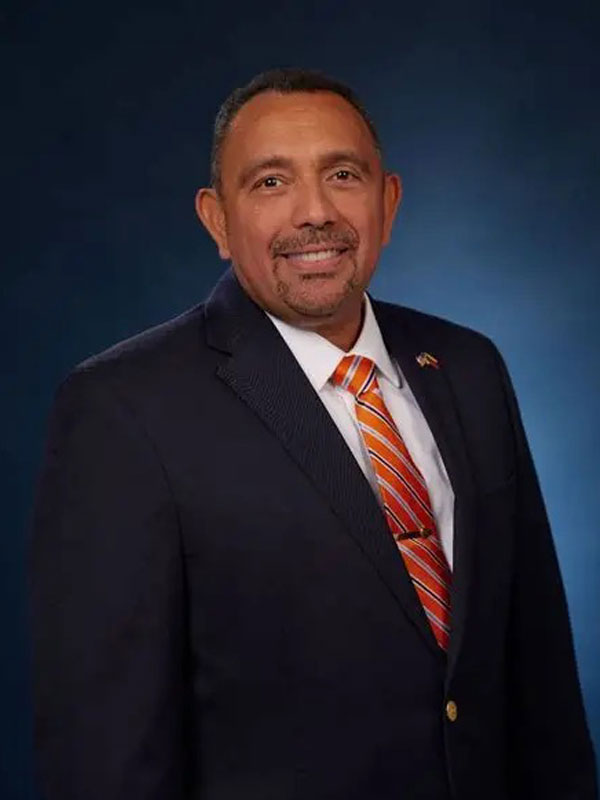
“The key for Philadelphia’s Latino community to thrive lies in empowerment. We must recognize that we deserve more and that we have the ability to break cycles of poverty and limitations. In the U.S., countless opportunities exist, but they are often hidden or poorly communicated, making it harder for our people to take advantage of them.
This is where leadership and community come in. As Latinos, we have the responsibility to lift each other up, share information, and open doors. As the saying goes: ‘Give a man a fish and you feed him for a day; teach him to fish and you feed him for a lifetime.’ This principle should guide institutions, organizations, and each one of us.
Education is a key example: every year, millions of dollars in college scholarships go unused because our Latino youth don’t apply. If we motivate and support them to seize these opportunities, we can transform not only their lives, but also our families and neighborhoods.
Latino Philadelphia already has resilience, talent, and spirit. What’s missing is believing in ourselves and taking firm steps toward the future we deserve.”
Emilio Buitrago, Member of the Pennsylvania Governor’s Advisory Commission on Latino Affairs (GACLA)
A growing and transforming community
Latinos are the fastest-growing group in the city, with more than 240,000 residents representing 15% of the population. Since the 1990s, their numbers have tripled. Although Puerto Ricans remain the majority (55%), the community has diversified: 34% have roots in other Latin American countries, and 19% are foreign-born immigrants.
Unlike in other cities, in Philadelphia both Puerto Rican-born residents and immigrants show similar poverty rates, suggesting that local factors weigh more heavily than geographic origin.
Children and female-headed households are the most vulnerable. Forty-one percent of Latinos living in poverty are children, compared with 30% citywide. Single-mother households face especially dire conditions: 64% live in poverty, compared with just 9% of single-male-headed households.
“In Philadelphia we barely survive, we don’t thrive. The minimum wage and aid programs stay the same, while expenses rise every year,” said Tabatha Reyes, a single mother and participant in economic development programs at Xiente. “If a community doesn’t thrive, people can’t do so emotionally, financially, or mentally,” she added.
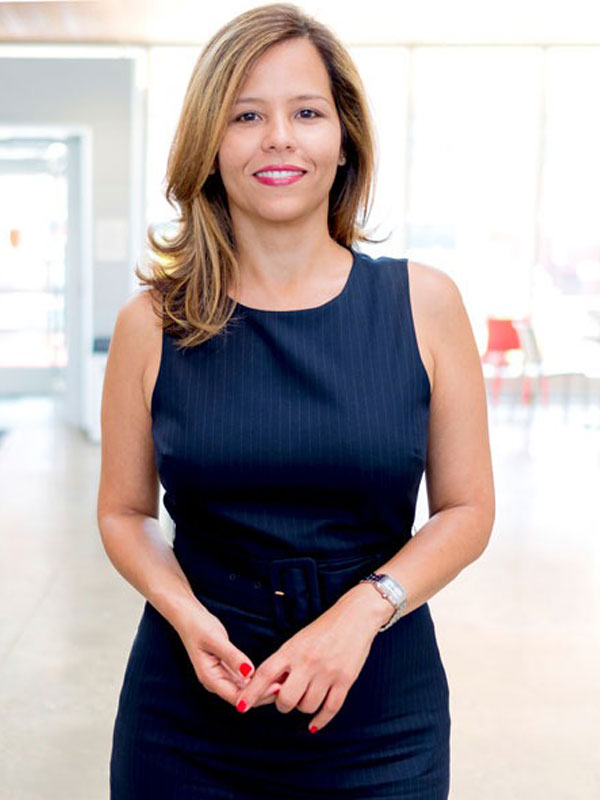
The recent decline in Philadelphia’s poverty rate below 20 percent is a notable development, but it is not a cause for celebration. The data continues to expose persistent inequities, particularly among Hispanic residents, who face a poverty rate of 27.6 percent. This reality demands urgent and sustained action.
At the Greater Philadelphia Hispanic Chamber of Commerce, we hold a firm belief that entrepreneurship is a powerful vehicle for economic mobility and long-term wealth creation. However, for Latino entrepreneurs to succeed, they must be supported by high-quality programs that are geographically accessible and culturally relevant.
Equally important is access to the full continuum of capital — from grants and loans to equity and venture investment. These resources must be aligned with the industries in which Latino-owned businesses are concentrated and tailored to the needs of smaller enterprises. At present, most capital opportunities are not designed with these businesses in mind, leaving a significant gap that must be addressed.
Philadelphia’s progress is encouraging, but it is fragile. If we are to reduce generational poverty and foster inclusive prosperity, we must invest in building the capacity of Latino entrepreneurs and ensure that they have the tools and resources necessary to thrive. The future of our city depends on it.
Jennifer Rodríguez, President and CEO, Greater Philadelphia Hispanic Chamber of Commerce
Low wages, high cost of living
The state minimum wage remains at $7.25 per hour, equivalent to about $15,000 annually—far below what’s needed for basic survival. According to the United For ALICE tool, a family of four with two children in childcare needs at least $96,276 annually to cover housing, food, and transportation. In contrast, the median income for Latino households is just $14,490.
Although 75% of working-age Latino adults participate in the labor market—similar to the city average—low wages largely explain the persistently high poverty rates.
Philadelphia is the only city where Latinos have the highest poverty rate compared to whites, Blacks, and Asians. In 2023, the rate was 33%, nearly double the national average.
“Historic disinvestment in key neighborhoods has left many Latinos facing extreme financial stress,” said William García, director of the Mayor’s Office of Latino Engagement.
While the median Latino household income has grown 40% over the past decade—more than the 26% citywide average—59% still earn below the city’s median income of roughly $60,000. Although the number of Latino families earning over $150,000 annually has grown eightfold, most remain in the low-income bracket.
In addition, according to the Census Bureau, there is significant undercounting of Latinos in national surveys, suggesting the scope of the problem may be even greater.


As encouraging as it is to see Philadelphia’s poverty rate dip below 20%, the reality for many Latino families hasn’t changed enough. To move from ‘less poor’ to truly thriving (which is the goal), we need inclusive growth that impacts: income, assets, and stability. That means living-wage jobs. More apprenticeships, industry credentials, and recognition of foreign credentials, alongside affordable childcare and transportation so parents can stay employed.
We must prevent evictions and expand methods to affordable homeownership. Just as important, fund Latino-led organizations with multi-year and flexible support.
At Concilio, we’re aligning Prevention, Community-Based Services, and Family supports into one front door. When families can keep work, keep housing, and build savings, Latino Philadelphia will surely flourish.
Kaywana Broomer Chief Compliance Officer