


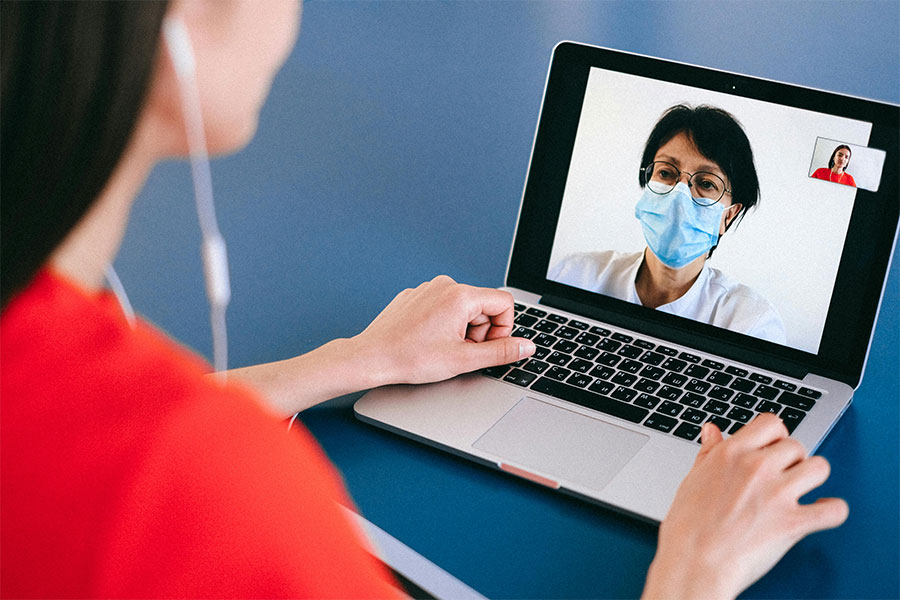
The telehealth program will help improve access to treatment and stigma-free care for many
HARRISBURG, PA — In a first for Pennsylvania, the Department of Drug and Alcohol Programs (DDAP) has issued a license for a telehealth-only substance use disorder (SUD) treatment provider, which will expand access to SUD treatment to more Pennsylvanians by providing another option to receive services virtually. A move the Shapiro Administration says will improve access to life-saving care statewide.
The license was granted to Gateway Rehabilitation Center (GRC), which now operates the Hope from Home telehealth program. The initiative offers encrypted messaging, secure appointment reminders, virtual counseling, psychiatric services, medication-assisted recovery, and more, all without requiring patients to visit a physical location.
“Licensing this model of care is more than a regulatory milestone; it’s a strategic advancement,” said DDAP Secretary Dr. Latika Davis-Jones. “Telehealth and mobile treatment options reduce barriers like transportation, stigma, and provider shortages, especially in rural and underserved communities.”
GRC has provided SUD services in Pennsylvania since 1972. Its hybrid telehealth model already averages 2,000 individual interactions monthly, a number expected to double under the new program. The program will provide a secure patient portal, an interactive app, encrypted messaging, appointment reminders, resources, education, and a virtual telehealth suite that offers SUD counseling, psychiatric services, medication-assisted recovery, preventive care, and coordination to other levels of care as needed. This will aid in improving access to treatment and stigma-free care.
“We understand the responsibility of sustaining a successful statewide telehealth program that reduces treatment barriers,” said Dr. Julia D’Alo, Chief Medical Officer of Gateway Rehab. “This aligns with our mission to improve access for all those affected by addiction.”
Previously, only brick-and-mortar facilities in Pennsylvania could apply for a DDAP license to offer telehealth services. Under the new rules, a physical location is no longer required. To qualify, providers must comply with a few requirements, such as a web-based electronic health record system for clinical files; maintain digital personnel records (including training documentation); and grant DDAP remote access to facility and client records as needed.
This licensing milestone supports the Shapiro Administration’s broader strategy to expand SUD treatment access across the Commonwealth. A list of those efforts includes: Licensing the state’s first mobile opioid treatment program, partnering with Carlow and Waynesburg universities for a workforce training pilot, and allocating nearly $20 million in student loan repayments to nearly 350 addiction professionals to support retention.
Pennsylvania currently has nearly 800 DDAP-licensed SUD treatment facilities and 400 licensed recovery houses. Individuals seeking treatment can call the 24/7 PA Get Help Now helpline at 1-800-662-HELP (4357), or use Treatment Atlas to confidentially find services tailored to their needs.