


The law signed on July 4, 2025, known as the One Big Beautiful Bill Act, promises to “protect the truly vulnerable.” However, in practice, it reduces essential health and nutrition services, imposes mandatory work requirements to access benefits, tightens immigration rules, and increases spending on border security.
Below is an analysis of how this law directly affects Philadelphia and surrounding areas:
It is estimated that about 310,000 people across Pennsylvania will lose Medicaid coverage. In the districts including the city of Philadelphia, approximately 10,827 residents would be affected according to state data.
Governor Josh Shapiro has warned that up to 500,000 state residents could be left without health insurance.
The law introduces a mandatory work requirement of 80 hours per month for people aged 19 to 64 without children. This change would affect around 80,000 people enrolled in Medicaid expansion, many of them Philadelphia residents.
Community and rural hospitals are also at risk: the loss of federal reimbursements could lead to closures or cuts to essential services.
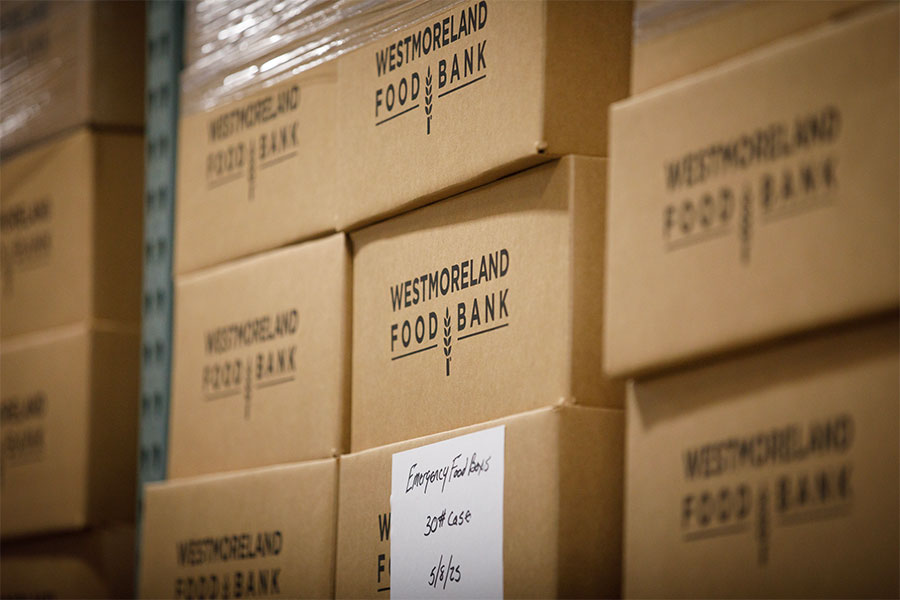
In Pennsylvania, nearly 144,000 residents would lose access to SNAP (food stamp) benefits, including thousands in Philadelphia.
The state’s Independent Fiscal Office projects that this change will cost Pennsylvania an additional $130 million annually, as the federal government shifts more of the financial burden to the states.
Nationally, over 3 million people could lose SNAP, which may worsen rates of chronic disease and increase mortality from malnutrition—especially in vulnerable communities.
Community Impact in Philadelphia
More uninsured residents: Thousands of Philadelphians will lose Medicaid due to new requirements and cuts, increasing pressure on local clinics and hospitals.
Rising food insecurity: Families relying on SNAP will see their benefits reduced or eliminated, with direct public health consequences.
Greater strain on state and local governments: Pennsylvania will be forced to absorb more costs, potentially leading to cuts in public health, education, and infrastructure.
More severe effects in low-income urban areas: Philadelphia, with a poverty rate above the state average, will feel the impact more intensely—especially among minorities, seniors, and people with disabilities.
Additional Local Context
Philadelphia is a sanctuary city. Organizations such as the Nationalities Service Center warn that changes to immigration and benefit programs worsen the situation for migrant families, making access to healthcare and food even harder.
Governor Shapiro has condemned these measures as ones that “dismantle the social safety net at a time when it is needed most.”
Summary of Local Impacts
| Area | Impact in Philadelphia |
| Medicaid | 11,000 people losing coverage; mandatory work; risk to community clinics |
| SNAP | 2,000 people losing benefits; rising food insecurity |
| State/Local | Increased fiscal pressure; possible cuts to community services |
| Health & Economy | Higher mortality rates; risk of local medical center closures |
Community Recommendations
Connect with local services: Seek help from community health clinics, food banks, and migrant organizations (e.g., Nationalities Service Center).
Participate in city and state initiatives: Philadelphia is working to strengthen its safety net. Staying informed can help you prepare.
Seek legal and community support: If you are part of the immigrant community or affected by new work requirements or benefit cuts, contact free legal aid services.
Sources: White House / University of Pennsylvania / Commonwealth Fund / Office of Governor Josh Shapiro