


For many Philadelphians, the greatest obstacle to securing housing is not the monthly rent but the steep cost of moving in. Application fees, security deposits, and other upfront expenses often add up to thousands of dollars, pushing housing out of reach for working families, seniors, and residents living on fixed incomes.
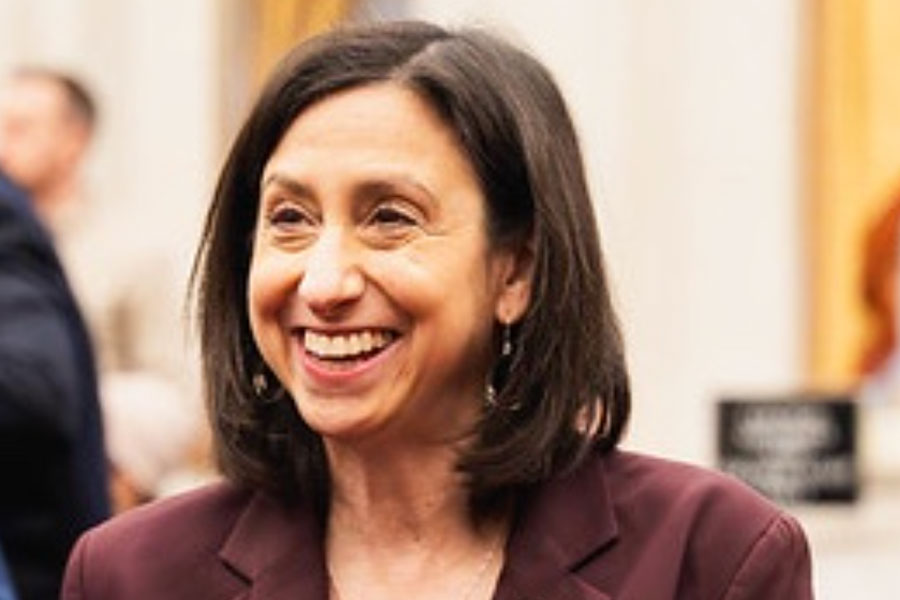
New legislation introduced by Philadelphia City Councilwoman Rue Landau aims to lower those barriers.
In January 2025, Landau introduced the Move-in Affordability Plan, a package of bills designed to reduce what housing advocates describe as “junk fees” and make renting more accessible across the City. “The high costs associated with securing a rental unit are simply too much for many Philadelphians, especially those with limited income or complex rental histories,” Landau said when introducing the legislation.
A former tenant lawyer framed the bills as a practical response to a worsening housing affordability crisis.
The reforms arrive amid stark housing statistics. Nearly half of Philadelphia households rent their homes, and 48.5 percent of renters are cost-burdened, spending at least 30 percent of their income on rent and utilities. Average rents continue to climb, with one-bedroom apartments averaging about $1,499 and two-bedroom units around $1,750.
One of the central reforms caps rental application fees. Previously unregulated, those fees could range from $50 to $200 per application, forcing renters to spend hundreds of dollars with no guarantee of housing. Under the new law, application fees are capped at the lower of $20 or the actual cost of a background or credit check.
Landlords are prohibited from charging multiple application fees to the same tenant within a year, and renters may submit their own background check from an accredited agency that is less than 30 days old. “These fees quietly punish people who are already struggling,” said one advocate in North Philadelphia. “Limiting them removes an unnecessary barrier.” The second major component of the plan addresses security deposits. While Pennsylvania law already limits deposits, enforcement has been uneven.
The new legislation codifies those protections into Philadelphia’s housing code and allows renters to pay security deposits in up to four monthly installments, rather than all at once. This provision is primarily for landlords with more than two rental units, creating an exception for small landlords who rely on upfront deposits to cover risk and maintenance. For tenants in lower-income areas, the impact could be substantial. Many renters can manage monthly rent but cannot afford three months’ rent upfront—often required as the first month, last month, and deposit. Spreading those costs over time can reduce homelessness, overcrowding, and reliance on informal housing arrangements.
Advocates for older adults have also welcomed the changes. Jacob Speidel, Esq., Director of Tenant Rights at the SeniorLAW Center, said, “This package will help prevent homelessness and empower older Philadelphians to age in place with dignity”. Supporters say the Move-in Affordability Plan will not solve Philadelphia’s housing crisis on its own, but it marks a meaningful shift in how the city approaches renter protections. For many tenants—especially in neighborhoods already under economic strain—it could make the difference between staying housed and being pushed out before they ever receive the keys.