


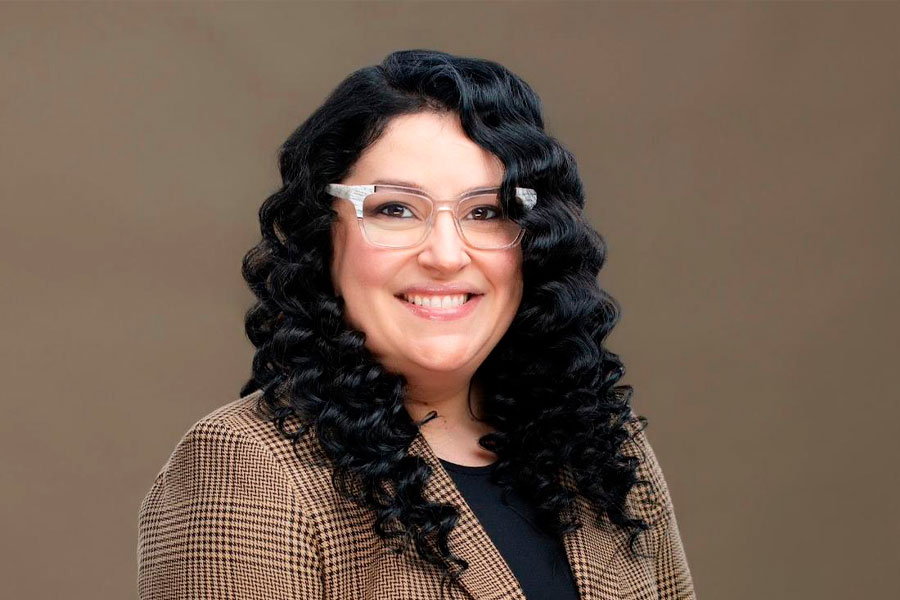
Mariana Martindale, CEO and founder of ALMA EmpowerHER—an organization that provides mentorship, resources, and leadership development for Latinas—and author of “Los colores de mi voz” (“The Colors of My Voice”).
This book was born out of the author’s search for the reasons why women are not represented in senior leadership positions within higher education.
For Martindale, there is no single reason, “but rather many.” She cites, among others, “impostor syndrome, systemic racism, barriers to educational access—‘gatekeeping’—cultural norms such as marianismo*, which imposes traditional roles, and a lack of mentorship.”
Her personal experience as a first-generation Puerto Rican woman striving to find her place in higher education, professional development, and leadership—without a clear roadmap—forced her to overcome barriers that were cultural, structural, and personal. These obstacles often, she notes, “made the path forward challenging and lonely,” says the current doctoral candidate.
However, those same experiences strengthened her determination and underscored the importance of perseverance, community, guided support, and one central belief: “No Latina should be expected to advance alone.”

Martindale began to ask herself how she could expand the reach of the academic research she was conducting on the underrepresentation of Latina women in leadership roles in higher education—not only to institutions, policymakers, and Latina women, but beyond them as well.
“That’s how the idea emerged to reach Latina girls from an early age—early enough to meet them during that beautiful stage of innocence.”
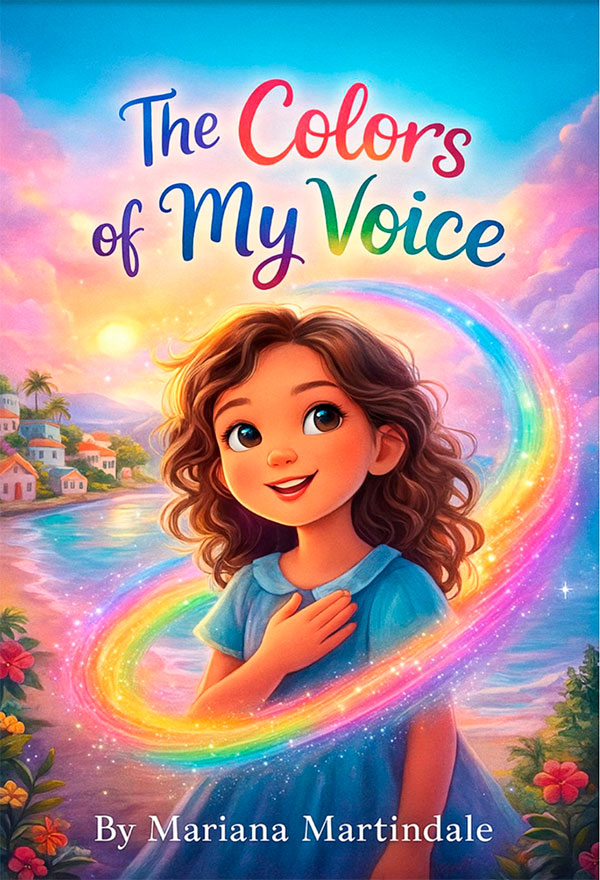
The Colors of My Voice (Los colores de mi voz) is the result of that idea: “a bilingual illustrated children’s book centered on identity, courage, and the importance of recognizing one’s self-worth from childhood,” the author explains.
The book tells the story of Aurelia, a young girl who begins to notice that her voice has many “colors,” each representing different emotions, experiences, and aspects of her identity.
As she “moves through moments shared with her family, her community, and at school, she discovers that these colors reflect the strength of her culture, the love of her ancestors, and the dreams she holds for her future.”
Not everything is easy, and for a brief moment, “Aurelia wonders whether she should hide certain parts of herself in order to fit in,” but she ultimately comes to understand that her voice is powerful precisely because of the great diversity of colors that make it whole.
For the author, this story celebrates cultural identity, language, and the courage children have to express who they truly are.
By writing this story, Martindale aimed to “plant the seed of self-esteem at an early age, before our young Latinas face the real world and attempts to make them feel insignificant.”
The narrative aligns with the same values upheld by the organization she founded and leads, highlighting “identity, cultural pride, leadership, and the importance of ensuring that young girls’ voices are seen and heard… It was conceived both as a children’s story and as a reflection of the broader work I do empowering future generations to lead with confidence, culture, and their own voice,” the author explains.
Her hope is that young girls will know “that their voices are powerful and that they have many colors.”
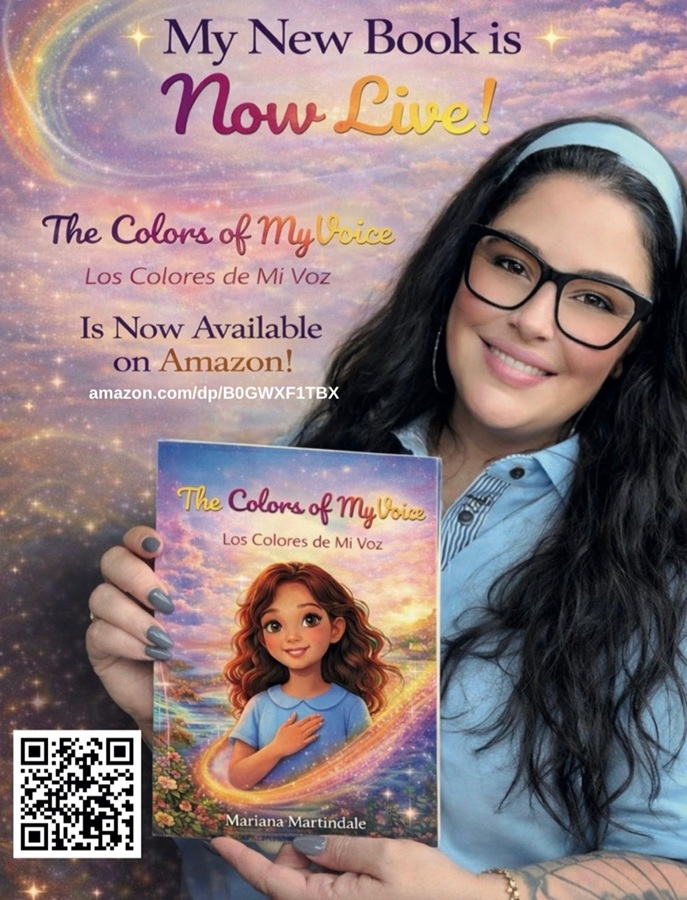
The book is now available on Amazon.

*Marianismo is a sociocultural concept that describes a set of traditional norms and expectations regarding the role of women in many Latin American and Hispanic‑heritage societies.