


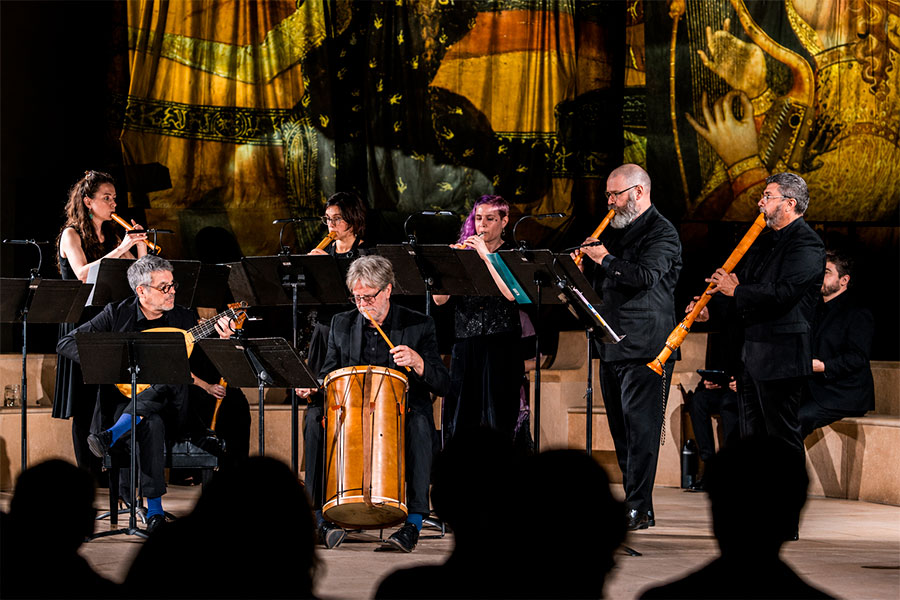
The renowned early music ensemble Piffaro, The Renaissance Band presents a new program that promises to be both a profound aesthetic experience and a timely historical reflection: Águila & Imperio. The project delves into the sounds of colonial Mexico, weaving together European and Indigenous traditions in a musical dialogue that seeks to illuminate a complex and often little-understood chapter in the rich history of the Aztec nation.
Founded in the early 1980s, “Piffaro was created to explore a hugely important art form of the 16th and 17th centuries, which at that time was virtually unknown,” explains artistic director Priscilla Herreid. “There was very little interest in the world in playing those instruments and that music,” she recalls. Today, with 46 years of history, the ensemble maintains a strong presence through its ongoing concert series in Philadelphia, as well as through tours and recordings.

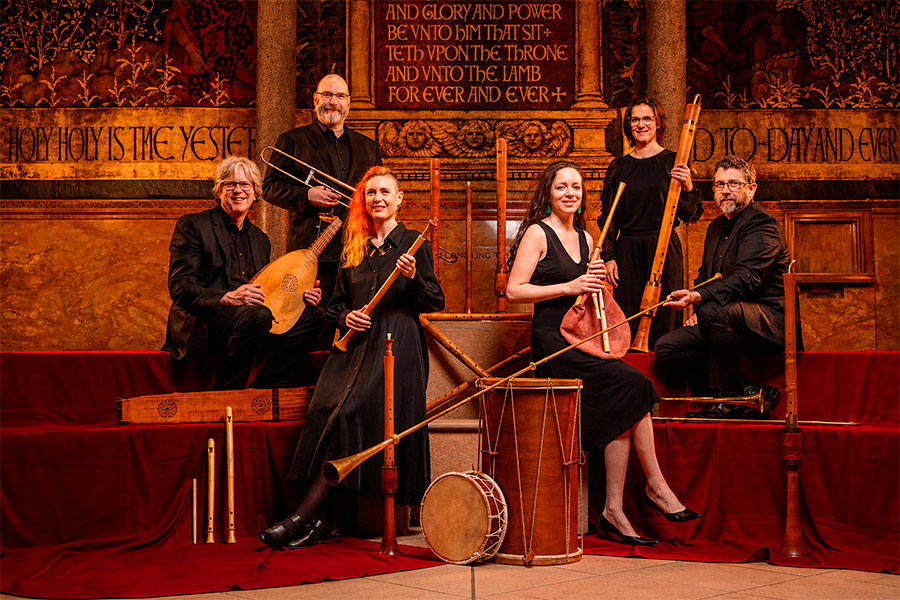
The idea behind Águila & Imperio stems precisely from this interest in connecting past and present. As she explains, “the program focuses on the early days of colonization, during that curious and complex time when European music arrived in the Americas along with the instruments the group still plays today.” However, far from offering a purely Eurocentric perspective, the project highlights the fundamental role of Indigenous peoples. “We know these instruments were adopted and mastered by Indigenous Mexican musicians, and that Indigenous composers began writing in this new Western style,” Priscilla notes. “There is a collision of worlds that, musically, is very complex and necessary to understand.”

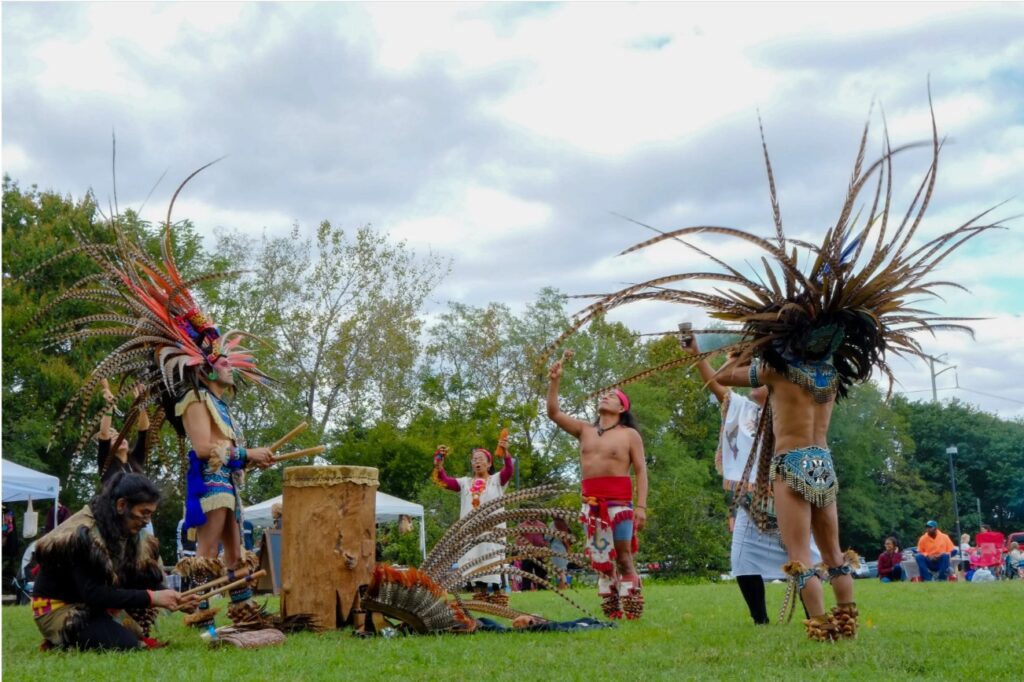
A key element of the program is the collaboration with Brujo de la Mancha and his organization Ollin Yoliztli Calmecac, dedicated to promoting Indigenous Mexican culture. Their participation in the performance at Teatro Esperanza adds a contemporary dimension to the project. “Their work means that this program, with their repertoire and ours weaving in and out of each other, will address both the past and the present—ancient and living traditions,” the artist emphasizes.
Reconstructing the music of colonial Mexico has not been an easy task. Although some findings by specialized musicologists were transcribed in the mid-20th century, much of the repertoire remains inaccessible. “A lot of the music we know exists is kept under lock and key, at least for now,” she explains. Nevertheless, the outlook is encouraging: significant advances have been made in the past decade thanks to the work of researchers and musicians. “So much more has already been discovered and learned, especially in the last ten years,” she adds, noting that new research continues to challenge previously accepted ideas about composers and their works.
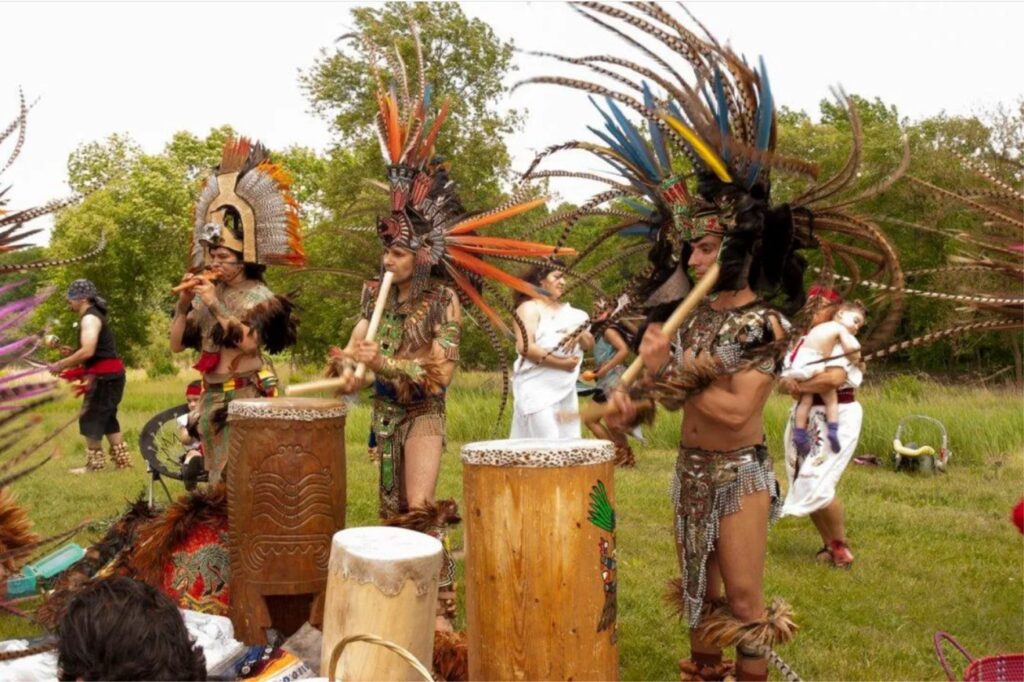
Beyond historical recovery, the program’s central aim is to offer an honest representation of that period. “We want to show, through sound, the complexity and beauty of the music of that time and place, without pretending that the historical reality was different from what it actually was,” she says. In this regard, Piffaro performs music of European origin or influence, while incorporating “the styles and colors that we know were given to it by Mexican performers.”
Audience response so far has been enthusiastic, particularly regarding the collaboration with Ollin Yoliztli Calmecac. “People are very excited about this collaboration.”
The connection with the Esperanza Arts Center has also been key to the development of this project. The relationship began with workshops involving students from Artistas y Músicos Latino Americanos (AMLA) and has grown stronger over time.
The event promises to be a full, immersive experience: music, dance, Indigenous cuisine, and the participation of young talents. “Music and dance combined in a way you will probably never hear anywhere else, a pre-concert reception with Indigenous foods, and an intermission performance by talented 10-year-olds—who would want to miss that?” Priscilla concludes.