


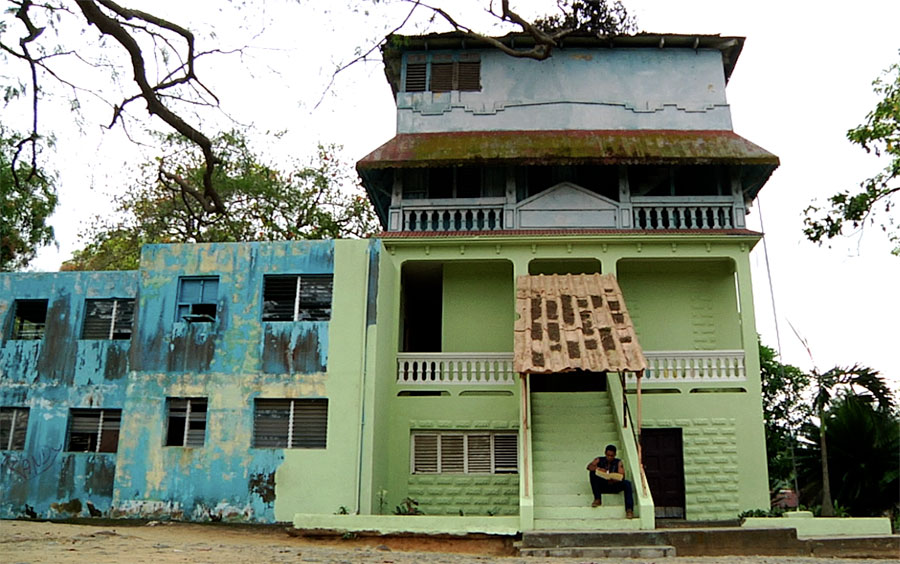
Philadelphia, PA – Esperanza Arts Center will open its three-part “From Page to Screen” Dominican Arts & Film Series on August 14th, celebrating Dominican storytelling.
The series, presented in partnership with Tamo en Cine, the Philadelphia Film Society, and the Free Library of Philadelphia, begins with an evening of film screenings, artist conversations, local vendors, Latin food, merengue music, and interactive dance lessons.
The kickoff is followed by a children’s literary event on August 28th and a September 12th screening ofLa Hija Natural, also known as Love Child, at the Philadelphia Film Society Center.
For Dominican filmmaker Leticia Tonos Paniagua, the Director of Love Child, the film is inseparable from questions of belonging and memory.
“Love Child is my debut feature and, in many ways, my most personal film,” says Leticia. “It took me years to understand what I truly wanted to say with it, until I realized it was really about loneliness, the universal longing to belong, and the emotional scars of abandonment.”

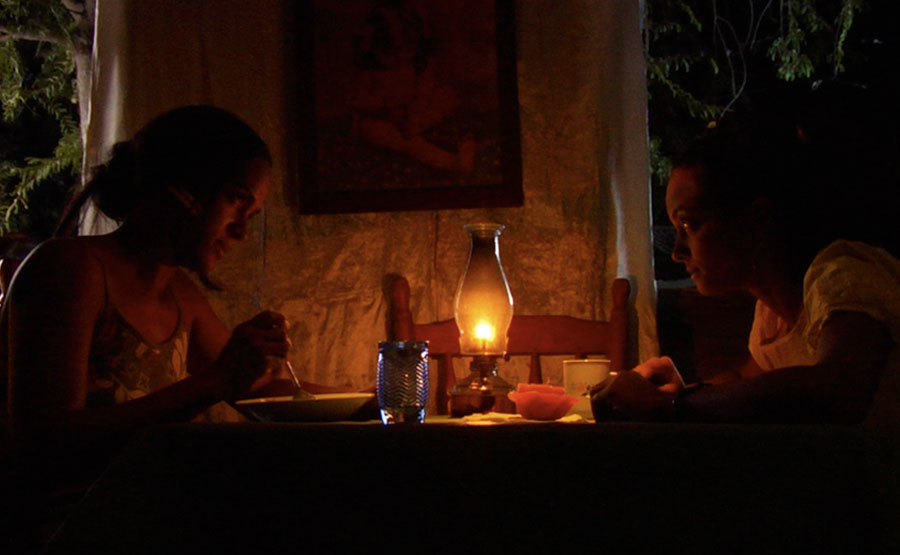
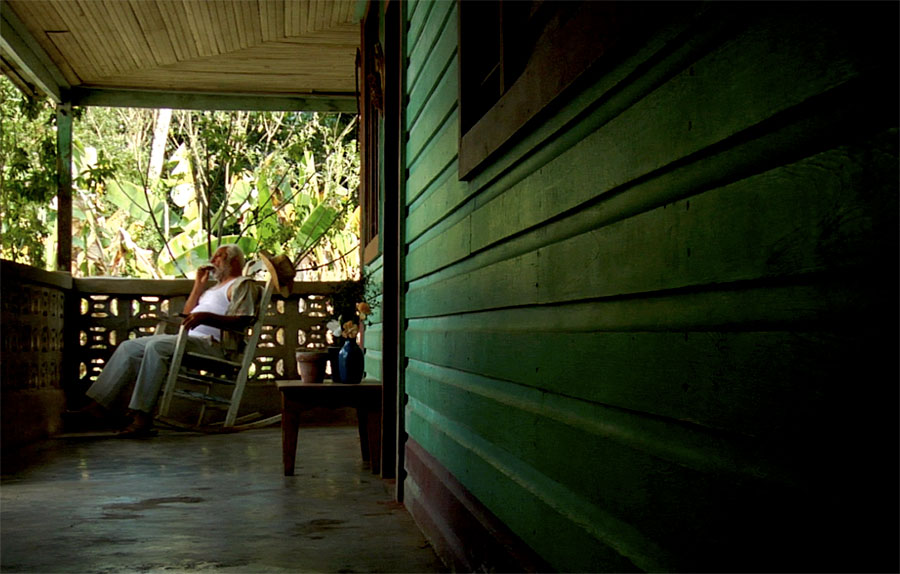
Set in the rural Dominican countryside, Love Child is a coming-of-age story rooted in Caribbean magical realism. Leticia said the film lives in a world “where the boundaries between myth, spirituality and everyday life naturally blur.”
“It’s an intimate coming-of-age story, but also a portrait of a place, its people, and the invisible threads that connect us to our origins,” she said.
Those origins are central to what Leticia hopes Dominican audiences recognize when they see the film.
“I hope Dominican audiences recognize the world of the movie of their mothers and grandmothers,” she said. “A place that is quietly disappearing before our eyes.”
For Leticia, that disappearing place is tied to the transformation of rural communities. She pointed to technology, social media and the rapid pace of modern life as forces changing communities that once carried a different rhythm.
“For me, Love Child is a love letter to that disappearing universe,” she said. “I hope audiences see it as an invitation to reconnect with a part of our identity that is worth treasuring before it slips away.”
That invitation fits naturally into From Page to Screen, which brings several Dominican stories and artists into the same series. Alongside Love Child, the program highlights filmmaker Luis Corporán and his works El Hijo Pródigo and Una Oruga, expanding the series’ look at Dominican cinema.

Literature is part of the three-part celebration as well. On August 28th, children and caregivers are invited to the Lillian Marrero Library for a traditional Dominican breakfast prepared by Chef Vicki Pérez and a reading of Plátanos Are Love by author Alyssa Reynoso-Morris. The children’s book centers family, tradition, and expressing love through food, themes the event brings to life through both storytelling and a shared meal.
Love Child adds to those conversations by exploring a world Leticia believes is often misunderstood.
“One of the things I wanted to capture is the spiritual worldview that still exists in many rural Dominican communities,” she said. “In the countryside, the presence of spirits, ghosts, and the unseen is woven into everyday life.”
Rather than presenting those beliefs as something strange, Leticia wanted the film to take them seriously.
“These beliefs are often dismissed as superstition, but I see them differently,” she said. “I believe that growing up surrounded by nature nurtures a sensitivity that modern society has largely forgotten.”
Love Child also looks at divisions that have shaped life on the island shared by the Dominican Republic and Haiti. Leticia said she wanted to show the quiet humanity that can exist across historical divisions.
“Through the relationship between a Dominican and a Haitian, the film suggests that compassion and friendship are still possible despite generations of prejudice and our painful past,” she said.
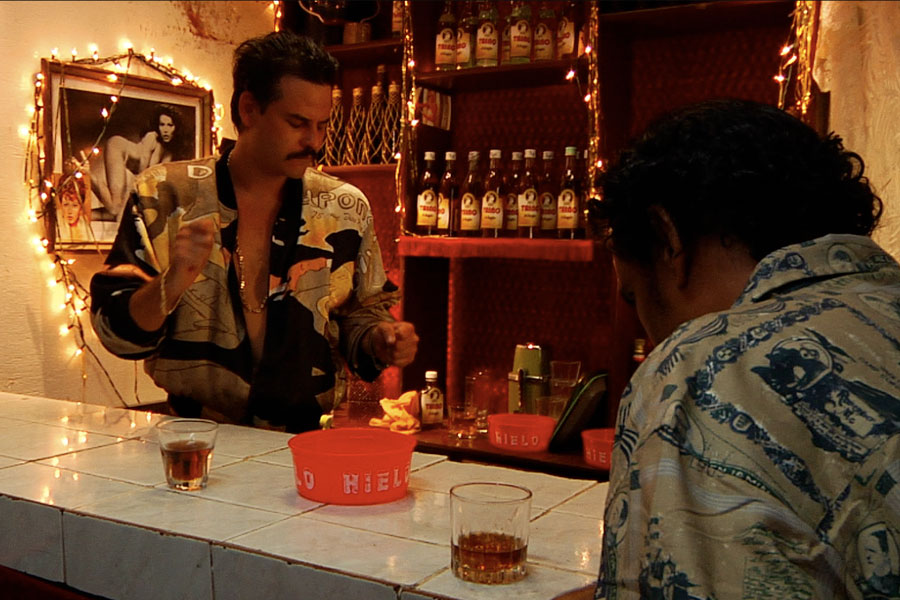
The film’s Dominican identity also comes through in scenes that are lighter and more familiar. In one scene, a Catholic priest, an old farmer and a young Puerto Rican man end up sharing a drink at a bar after a strange night, laughing together as if they had known each other for years.
“They laugh together as if it were the most natural thing in the world,” Leticia said. “To me, that’s deeply Dominican.”
She sees the scene as a reflection of the ability to connect even when people come from different backgrounds. “People don’t always agree, but they still find a way to sit around the same table, share a drink, and laugh together,” she said.
That same instinct to sit together and make room for one another runs through the series itself.
It all concludes September 12th at the Philadelphia Film Society Center with a screening of Love Child, a community marketplace, and an artist talkback with lead actress Julietta Rodriguez.
For Leticia, that shared theater experience is especially important now.
“In a world increasingly shaped by artificial intelligence and virtual experiences, I think it’s more important than ever to be reminded that magic still exists and that many of life’s greatest mysteries remain beyond our understanding,” she said.
That belief is at the heart of her invitation to audiences.

“Love Child is a film that invites audiences to reconnect with tales that have been passed down through generations,” Leticia said. “Experiencing it together in a theater allows us to share that sense of mystery collectively, to laugh, reflect, and remember that our cultural roots deserve to be celebrated.”
From Page to Screen offers more than one way into those roots. A film can bring back a rural landscape. A children’s book can connect food with family. Music and dance can turn an evening into a gathering.
Some guests may see pieces of their own families in these stories. Others may be meeting this side of Dominican culture for the first time. What connects them is what Leticia believes the theater still does best: bringing people into the same room to experience a story together again.