


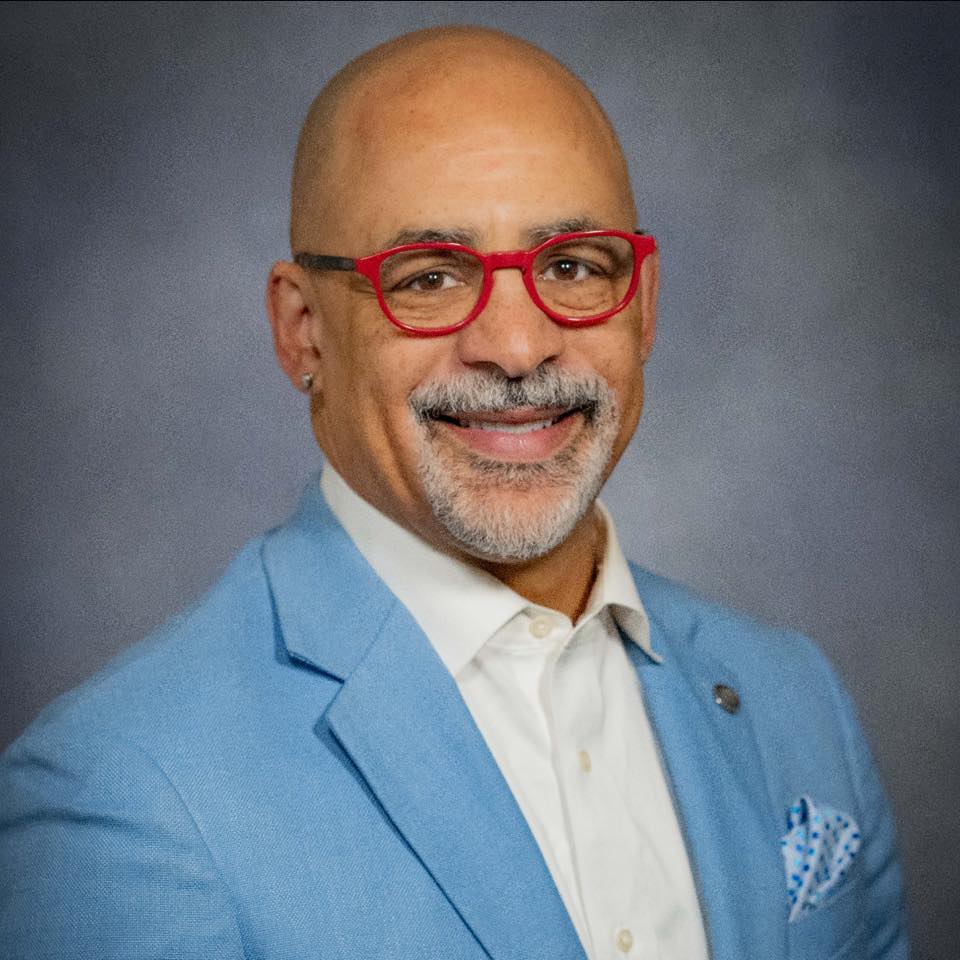
Philadelphia, PA. – State Representative Chris Rabb has emerged as one of the leading contenders in the race for Pennsylvania’s 3rd Congressional District, positioning himself as a progressive alternative to the traditional political apparatus of the Democratic Party in the city. In an election shaped by the retirement of Congressman Dwight Evans, Rabb represents a vision of structural change backed by grassroots movements and reform-oriented sectors.
Born in Chicago, Rabb has a strong academic background. He is a graduate of Yale University and holds a master’s degree from the University of Pennsylvania. He has worked as an academic and university professor, in addition to serving in roles within the federal government before entering state politics. Since 2017, he has represented the 200th District in the Pennsylvania House of Representatives, where he has built a reputation as an independent legislator aligned with the progressive wing of the party.
His legislative career has focused on proposals centered on economic justice and social equity. He has advanced initiatives to reform the tax system, aiming to increase the burden on passive income while providing relief for working people. He has also promoted policies supporting a higher minimum wage, stronger labor protections, and expanded access to affordable housing.
In the area of healthcare, Rabb supports a universal coverage system, while in environmental policy, he has backed proposals aligned with the Green New Deal. He has also defended immigration reforms, including reducing cooperation with federal immigration authorities. His agenda further includes initiatives to advance racial justice, regulate large corporations, and strengthen public services.
Unlike his main rival, Rabb lacks the backing of Philadelphia’s traditional party structure, but he has built a significant coalition within the progressive wing. He has received support from national members of Congress associated with that movement, as well as from organizations such as the Working Families Party, Justice Democrats, and the Democratic Socialists of America. At the local level, he is supported by city councilmembers and community groups advocating for political change.
His campaign has been characterized by strong grassroots organizing and significant fundraising capacity, factors that have allowed him to remain competitive in a close race. Analysts note that his candidacy has gained momentum among voters seeking deeper transformation within the Democratic Party.
Nevertheless, Rabb faces criticism that has shaped the course of the campaign. His positions on international policy, particularly regarding the conflict in the Middle East, have generated controversy and drawn scrutiny from some sectors, especially within the Jewish community. Public statements and social media posts have been debated and used by opponents to question his political judgment.
Additionally, his proposals, viewed by some as ambitious or far-reaching, have raised concerns among more moderate voters about their viability in a broader political environment. The idea of deep structural reforms has been framed by critics as a potential limitation in a general election context.
Rabb has also maintained a tense relationship with segments of the Democratic Party’s traditional leadership, reflecting internal divisions within the organization. This lack of institutional backing contrasts with that of Sharif Street, who is supported by the local political machinery.
In this context, Chris Rabb’s campaign combines clear strengths—such as support from progressive movements, a mobilized base, and a message of change—with challenges related to public controversies, perceptions of polarization, and limited establishment support. In a race expected to be competitive, his performance will depend largely on his ability to mobilize voters and capitalize on the electorate’s desire for political renewal.