


The Southeastern Pennsylvania Transportation Authority (SEPTA) commemorated Black History Month on February 18 with a special ceremony honoring Caroline Rebecca LeCount, a 19th-century African American educator and civil rights activist whose fight against segregation set a precedent in Philadelphia’s public transportation system.
The event took place at SEPTA’s headquarters, located at 1234 Market Street, and brought together agency executives, community leaders, local artists, and students to recognize the pivotal role LeCount played in the desegregation of the city’s streetcars.
LeCount, the first African American woman to graduate from the Philadelphia High School for Girls, is widely recognized for challenging discriminatory practices on horse-drawn streetcars in the 1860s. After being forcibly removed from one of these vehicles because of her race, she filed charges under a state law prohibiting segregation in public transportation. Her action contributed to the effective enforcement of the law and helped lay the groundwork for future advances in the fight for racial equality.
Her courage is often compared to that of Rosa Parks, although her activism took place nearly a century before the historic act of civil disobedience in Montgomery, Alabama.

Official Statements Highlight Her Legacy
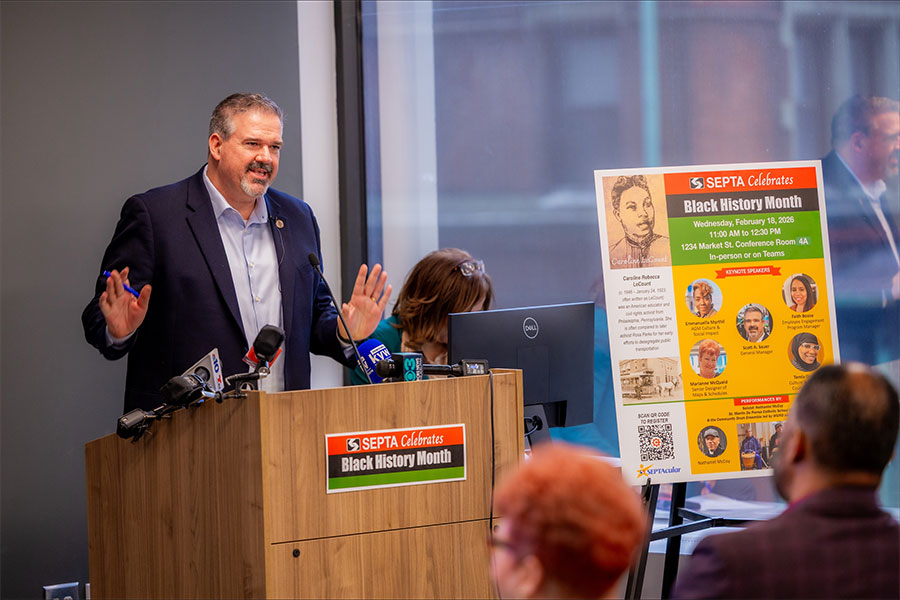
The ceremony included remarks from SEPTA Board Chair Kenneth E. Lawrence Jr., General Manager Scott A. Sauer, and Interim Deputy General Manager of People and Culture Emmanuella Myrthil.
During the tribute, SEPTA General Manager Scott A. Sauer emphasized the historical significance of LeCount’s work and drew a comparison to another iconic figure of the civil rights movement: “The work of Caroline LeCount has many parallels to that of Rosa Parks, except that her efforts in 1867 focused on streetcars that were still pulled by horses,” he said.
Sauer underscored that LeCount’s legacy demonstrates that the fight for equality in public transportation in Philadelphia began long before the more widely known events of the 20th century.
Community Celebration and Commitment to Equity
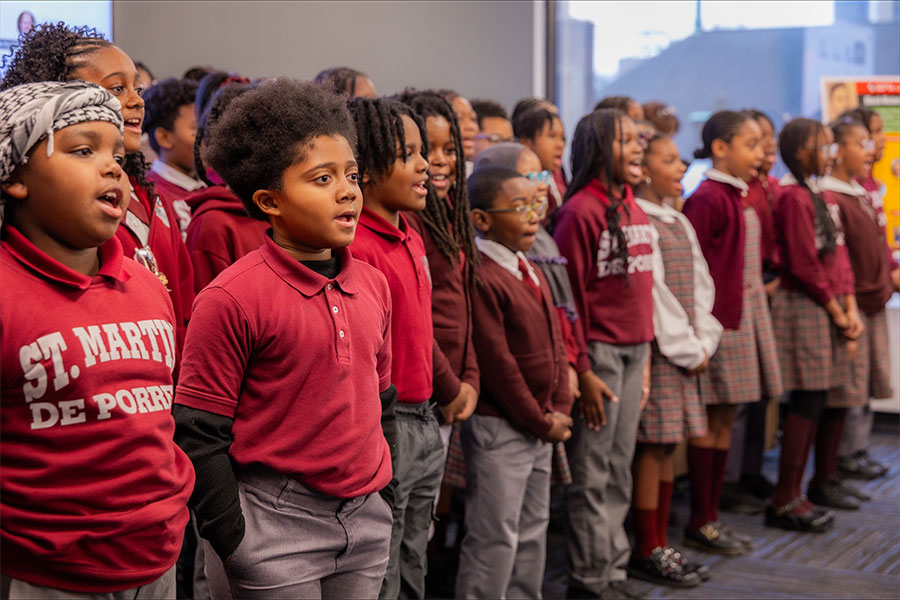
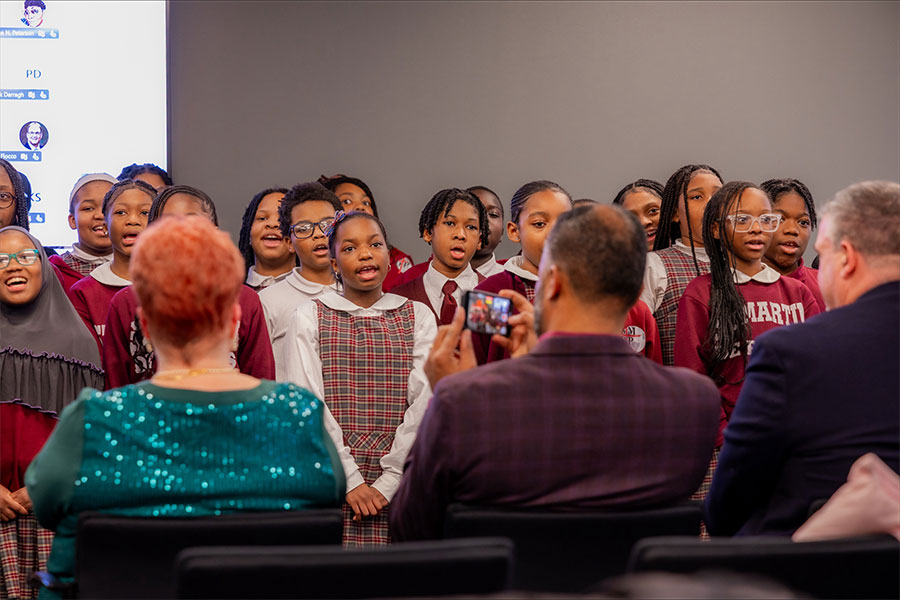
The program included artistic performances celebrating the cultural richness of the community. Soloist Nathaniel McCoy delivered a musical performance, followed by the choir of Saint Martin de Porres Catholic School. The event concluded with a community drum ensemble led by WURD radio host Eric Grimes, filling the room with energy and applause.
SEPTA, one of the largest public transportation systems in the United States, serves hundreds of thousands of passengers daily through its network of buses, subways, trolleys, and regional rail lines across Philadelphia and the surrounding counties. In recent years, the agency has strengthened its efforts in equity, diversity, and inclusion, highlighting historical figures whose legacies are closely tied to equal access to public transportation.
By honoring Caroline Rebecca LeCount, SEPTA not only celebrated Black History Month but also reaffirmed its commitment to the values of justice and equality that helped transform public transportation in Philadelphia and throughout the nation.