


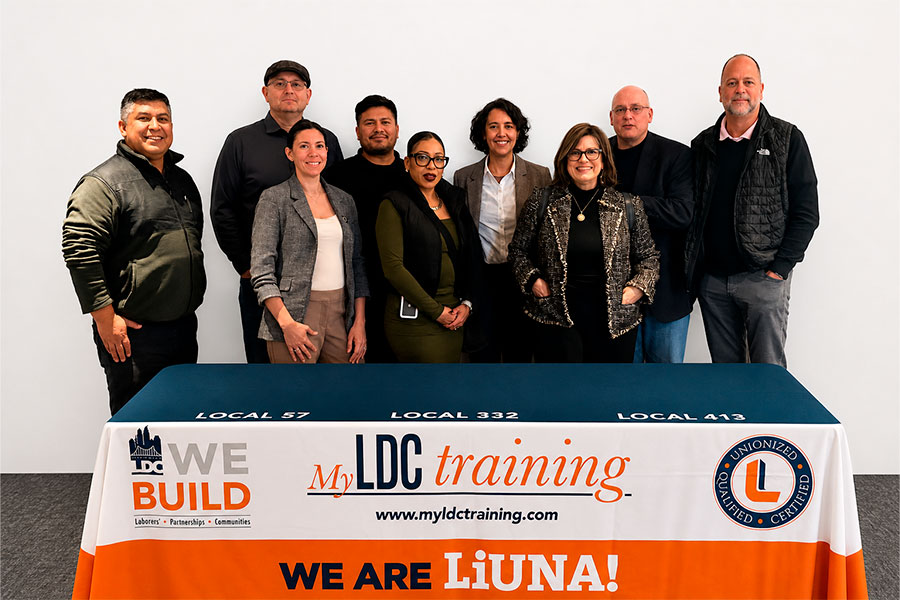
Access to well‑paying jobs in the construction industry continues to be a key pathway to economic mobility for many Latino families in Pennsylvania. However, a recent visit to the Laborers Training Center made clear that alongside these opportunities, structural barriers, safety risks, and underrepresentation in positions of power persist—continuing to directly impact the Latino community.
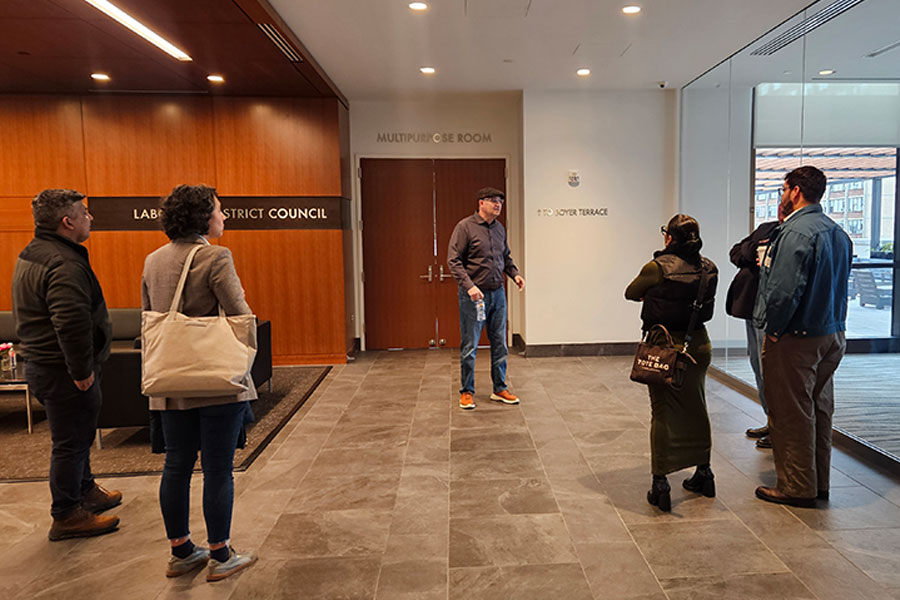
During the visit, community representatives from Philadelphia were able to gain firsthand insight into how pre‑apprenticeship and apprenticeship programs operate, as well as the many challenges Latino workers face when seeking to enter and remain in the industry.
A highly competitive system
Entering training programs is no easy task. According to Training Center staff, as many as 400 applicants may compete for just 50 available slots. Open enrollment takes place only once a year, between January and February, leaving many people out—particularly those who lack access to information or prior preparation.
Key factors considered for acceptance include:
- Performance during the interview
- Math skills
- Possession of a driver’s license and access to a vehicle to reach job sites
Although Latino participation is high, these requirements often become structural barriers that significantly limit access for many prospective workers.

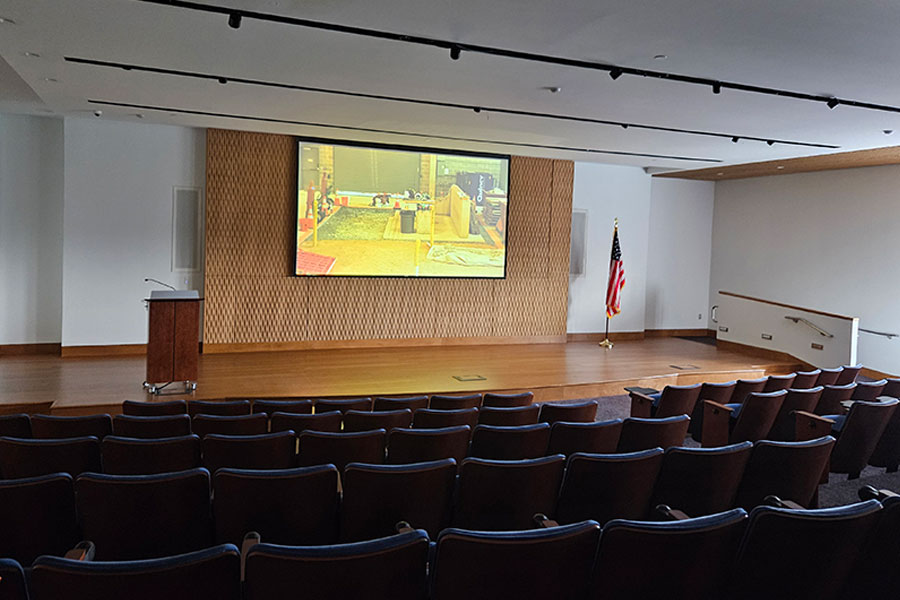
With a resounding economic contribution of over 4 trillion dollars to the United States’ GDP (gross domestic product in 2023, Latino Workers are a cornerstone of the national economy. (Photo: provided)
Bilingual training: An exception in the State
One of the most distinctive features of the Laborers Training Center is its commitment to bilingual education. The Center offers critical trainings—including OSHA certifications—in both English and Spanish, something that remains uncommon in Pennsylvania.
Until recently, even official exams were available only in English, unlike in other states where Spanish‑language versions had already been implemented. In addition, identification requirements have had a disproportionate impact on immigrant workers, restricting their access to formal employment even when they possess the necessary experience.
Risk, discrimination, and workplace safety
One of the most alarming facts shared during the visit is that while Latino workers make up only 18 to 20 percent of the construction workforce, they account for nearly 50 percent of construction‑related fatalities.
According to instructors, workplace bias plays a major role in determining who is assigned to higher‑risk tasks. For that reason, the Training Center places strong emphasis on safety standards and on ensuring that workers understand and assert their rights—even when facing pressure on the job.
“Knowing the rules and enforcing them can make the difference between making it home to your family—or not,” instructors emphasized.
Unions, representation, and leadership
Union structures also play a critical role. Local 57, the largest of the District Council’s three locals, focuses on exterior construction—such as sidewalks and curbs—and was among the primary beneficiaries of recent infrastructure projects. However, less than 5 percent of its membership actively participates in meetings, raising questions about how to strengthen engagement among rank‑and‑file workers.
By contrast, Local 332, which focuses on interior construction, has greater Latino representation. These internal dynamics reflect not only differences in job roles but also political tensions and leadership opportunities. It is no coincidence that figures such as Esteban Vera have emerged from these spaces during key moments of reorganization and change within the labor movement.
The role of LiUNA and structural training efforts
The Laborers’ International Union of North America (LiUNA) and the Laborers District Council Training and Education Fund of Philadelphia and Vicinity have a long history of proactive initiatives to address the barriers faced by Latino members.
At the national level, instructors undergoing the ANAB (ANSI National Accreditation Board) certification process receive specialized training on how to effectively teach English as a Second Language (ESL) learners.
Locally, the Laborers District Council of Philadelphia Training School has made Spanish‑language instruction a priority. After completing an eight‑year tenure as an ANAB‑certified bilingual instructor, Angel Hernandez assumed the role of Training Director in 2020. Under his leadership, hiring a full‑time bilingual instructor became a strategic priority.
Since joining the school in 2023, Walter Diaz has also earned ANAB certification and now serves as the school’s current bilingual instructor, supporting the educational needs of Latino union members in Philadelphia. The school also offers online classes in Spanish, expanding access to training. This approach is beginning to be replicated across other construction trade unions.
A persistent challenge
Despite these advances, Latino workers continue to face daily adversities. Building a collective voice for the Latino diaspora remains a challenge, particularly within a political environment shaped by fragmented interests. While Latino representation has increased in political spaces, a critical gap remains in the effective dissemination of information.
A clear example is training in asbestos and lead abatement. For years, Pennsylvania state regulations prohibited these courses from being taught in Spanish. Although major policy changes now allow Spanish‑language instruction, poor outreach has led many workers to mistakenly believe they must leave the state to receive this training—or never receive it at all.
Voices from Latino leadership
Angel Hernandez emphasized:
“Safety is not an option—it is a right of every worker in the construction industry. Do not allow yourself to be intimidated by any employer. We must amplify our voices to meet the needs of Latino workers, who are the most vulnerable. If training is delivered in a language you do not clearly understand, do not sign safety logs under pressure. Doing so can place you at risk of serious injury or even death.”
Walter Diaz added: “Overcoming challenges and seeking justice is a defining part of Latino culture. We must continue moving forward as a people—united and fully informed about our labor rights—so we can truly enjoy the benefits of our contributions to this great nation.”
Looking ahead
One of the clearest messages from the visit was that Latino leadership is actively working to transform the industry from within, expanding access to information, strengthening safety practices, and addressing long‑standing inequalities.
Representatives from community organizations such as LEDC Philadelphia – Latino Equitable Development Collective, participated in the visit to learn more about available resources and explore ways to better support individuals pursuing careers in construction.
The challenge ahead is clear: to inform, prepare, and protect the Latino community so that job opportunities are no longer accompanied by disproportionate risk.