



Emily is 8 years old and eager to return to school. This year, she will enter 3rd grade at the elementary school in Georgetown, DE.
She’s especially excited to reunite with her friends.
However, although she doesn’t know it yet, not all of her classmates may return to school this year.
The public school Emily attends has a student population that is 54.2% Hispanic. Some immigrant families informed teachers last spring that they would not be enrolling their children this school year. Miss Susan was one of the teachers who received the news.
“Some parents contacted me and shared that they wouldn’t be enrolling their children this year because the families had decided to return to their countries of origin.”
Some families chose to self-deport under the CBP Home program. Others returned to their countries as quietly as they arrived. And some, like Katy’s family, opted to move to neighboring states in an effort to disappear from the radar after receiving letters summoning them to immigration court.
Mía’s father, who is 9 years old, was recently deported to Mexico after spending several weeks in a detention center in Pennsylvania. Her mother is torn between leaving the country with her daughter to reunite with her husband or staying and living in fear of being detained.
These and similar situations are now compounded by additional challenges.
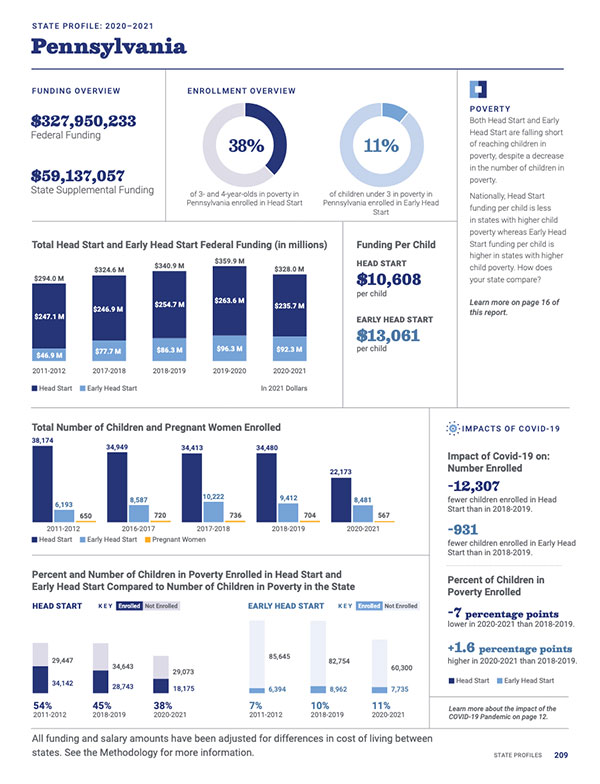
On one hand, there’s the cut in federal funding for Head Start and other educational programs, set to take effect on September 11. This prompted the governors of Pennsylvania and Kentucky, along with the Attorney General of Delaware, to file a lawsuit against the federal government on August 15. This new lawsuit joins a previous one filed on July 21 by a coalition of 20 states (including Maryland and New Jersey), arguing that the federal government acted illegally by issuing changes to educational funding without following the procedures required by the Administrative Procedure Act (PRWORA) and misapplied the law to entire programs instead of individual benefits.
It’s estimated that these cuts will affect over $11 million in federal grants in Delaware alone, impacting more than 250 educational programs and serving over 50,000 Delaware residents, including adult learners, children in foster care, and homeless children. (See report from the National Institute For Early Education Research).
On the other hand, there’s growing concern that Delaware may be choosing to apply federal restrictions to state-funded programs, even when there is no legal mandate to do so.


The alarm was raised by María Matos, Executive Director of the Latin American Community Center (LACC) in Wilmington, DE, which oversees early education centers La Fiesta 1, 2, and 3. Recently, LACC received a letter from the Delaware Department of Education that sparked urgent concern.


The letter stated that due to a recent departmental directive, the center was required to revoke the enrollment of children born outside the United States in its state-funded early care and education program at La Fiesta 2. The justification was that the center also receives federal funds through Early Head Start.

In a statement expressing her concern, Matos asked:
“Why are federal guidelines, intended for only 27 children funded with federal dollars, being used to deny services to the other 77 children who are supported solely by state funds?”
La Fiesta 2 is an early education center serving children ages 24 months to 4 years. More than a daycare, it offers dual-language education in English for older children and Spanish immersion for infants and toddlers. Eligible applicants include children from families at or below the federal poverty level, children in foster care, homeless children, and children with documented delays or disabilities (IFSP and IEP).
The veteran executive director has urged authorities for an immediate clarification, as the DOE directive mentioned in the letter could potentially deny access to state-funded early learning opportunities for immigrant children across Delaware.
“Is Delaware choosing to apply federal restrictions to state-funded programs, even when there is no legal mandate to do so?” Matos asks.
“Must any organization receiving both state and federal funds now apply federal eligibility guidelines across the board, simply because services are provided under the same roof?”
Early education centers serving immigrant students, like La Fiesta II, await answers and will begin the school year under a cloud of sadness, shock, and disbelief.
“This is a matter of justice, equity, and well-being,” Matos emphasizes.