


One of the greatest aspects of going through life is figuring out fatherhood. Some of us are very lucky; we go into it eagerly and with a little preparation. If we were fortunate enough to have had a good father figure, we assembled a bit of a plan. We take the best of what our dads had to offer and implement it as best we can. Basically, we try to do a little better than our fathers did. We look beyond what we can provide economically, and we eagerly try to provide emotional support with some semblance of emotional intelligence, hoping our children grow up to be stable and kind individuals.
Then life throws us a bunch of curveballs. We start to realize that every child we have is a different, individual human being with unique wants and needs. So, we do our best, stumbling through it, learning along the way, and trying to be as careful as possible.

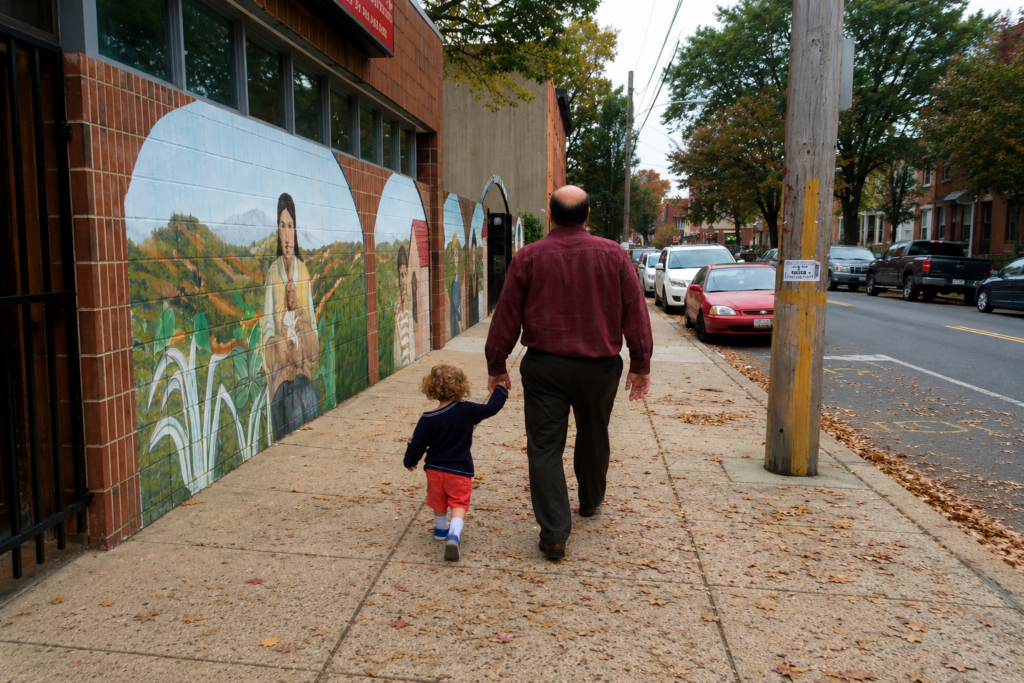
But fatherhood is a two-way street. We need «cooperative» children—or at least teenagers and young adults who are willing to listen to us just a little bit. Eventually, it gets complicated. But at the end of the day, I think most of us are just happy that our children let us grow into the role. While we never really quite figure it all out, we end up thanking them for letting us be their fathers.
Then, as we get a bit older, our grandchildren arrive. Suddenly, we realize that maybe, just maybe, we were trying too hard. Maybe things are much simpler than we thought. Maybe we overthink this whole fatherhood thing.
Which brings me to the point of this column. My two-year-old grandson has taught me some simple but incredibly valuable lessons about fatherhood.

Here they are:
How important hugs are: This one actually has some scientific backing. According to Harvard Health, physical affection like hugs and eye contact triggers the release of oxytocin, often called the «love hormone.» It floods the brain, reducing stress and driving deep emotional attachment. My grandson doesn’t know the science, but he knows exactly when he needs a hug.
Keep your word: Toddlers only know what they see, hear, and what they learned yesterday. They don’t understand excuses because they haven’t been exposed to the complexities of the world yet. If you tell him you are going to get him ice cream, there is no going back. You follow through.
Have fun now: Life for a toddler is lived entirely in the present moment. Having fun and playing is truly the most important thing there is right now.
Scary things are not fun: Why do scary or dangerous things? To a two-year-old, if something is frightening, it isn’t fun, and it should be avoided. It’s a simple, peaceful way to look at life.
How amazing firetrucks are: There is not much more to say about this one. Firetrucks are the coolest things on the planet, and they should always be appreciated and admired.
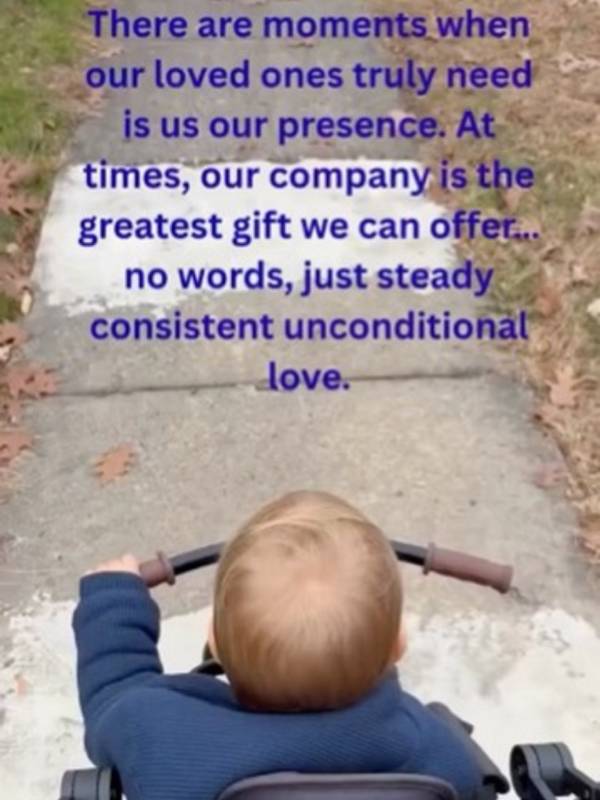
Just being there: By far, the most important lesson I have learned from my grandson is the value of simply being there. He somehow understands that my presence is what ties everything together. Being there to give him a hug, taking him for ice cream, having fun, and watching firetrucks go by—these are simple actions, but they are deeply important.
The point of all this is that maybe we complicate fatherhood. We try too hard. In reality, at the end of the day, fatherhood isn’t about having all the answers or executing a perfect plan. It is simply about being there for them…for as long as we possibly can.