


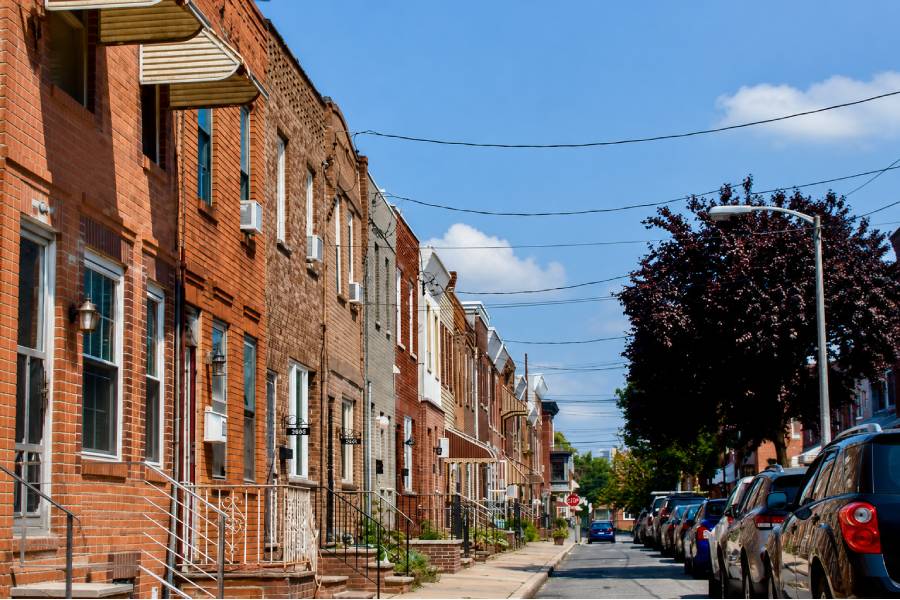
The official Office of Property Assessments envelope looks harmless, thin and white, stamped and delivered to each homeowner in Philadelphia, but the Notice of Valuation that landed in mailboxes this summer is one more burden in an already difficult economy. The city’s new 2027 property assessments will raise homeowners’ real estate tax bills, and the increase will feel steeper for residents least able to afford it.
According to Philadelphia City Guidelines, a tax bill is a home’s assessed value multiplied by the Total Tax Rate, which is 1.3998% of the property’s taxable value. The City Share is 0.6159%. The School District Share is 0.7839%.
The rate has been unchanged since 2016 and will not change under the new guidelines; however, the assessed value of properties will change for 2027. It is important to mention that it isn’t Mayor Cherelle L. Parker who is ordering the reassessments; rather, they stem from the Office of Property Assessment, which is updating housing values to reflect increased demand and higher property prices in Philadelphia, now a hot market. Citywide housing prices rose about 3 percent, and lower-income neighborhoods bordering gentrifying ones jumped even more.
When a rehabbed house sells for triple the price of the rowhome beside it, the longtime neighbor’s assessment rises with it, like a rowboat lifted in a yacht’s wake. A grandmother who has not replaced so much as a faucet can watch her home become “worth” more on paper because of what strangers paid across the street, and she will be taxed accordingly.
Councilmember Quetcy Lozada, whose 7th District covers some of the hardest-hit blocks, spent early August working with community partners helping residents make sense of their notices. “People still have serious questions about how assessments are calculated,” she said. “One size does not fit all. You can’t assess the value of homes in Kensington, Frankford, or Fairhill the way you assess the value of homes in Chestnut Hill.”
New values take effect on January 1, 2027. The usual yearly bills go out on December 1, and payment will be due on March 31. Some relief exists. The city has published a guide to lowering your bill. City Councilmember Quetcy Lozada’s office has been steering homeowners toward it, and the city has promised expanded outreach. The Homestead Exemption removes $100,000 from the taxable value of an owner-occupied home, saving many families $1,399 a year. For this discount, residents must apply by December 1, 2026. Senior and low-income tax freezes hold bills in place; LOOP caps the taxable value for owners with 10+ years at the property, and OOPA offers affordable payment plans for those behind on taxes. The state’s Property Tax/Rent Rebate helps older adults and people with disabilities.
Parker’s administration insists that the revaluation will keep assessments “fair, accurate, and just across Philadelphia”. City Council will hold hearings on OPA’s methodology this fall, and Councilmember Lozada wants the room full. “Residents deserve to understand how their homes are valued, she said, urging them “to share their stories during public testimony.”