


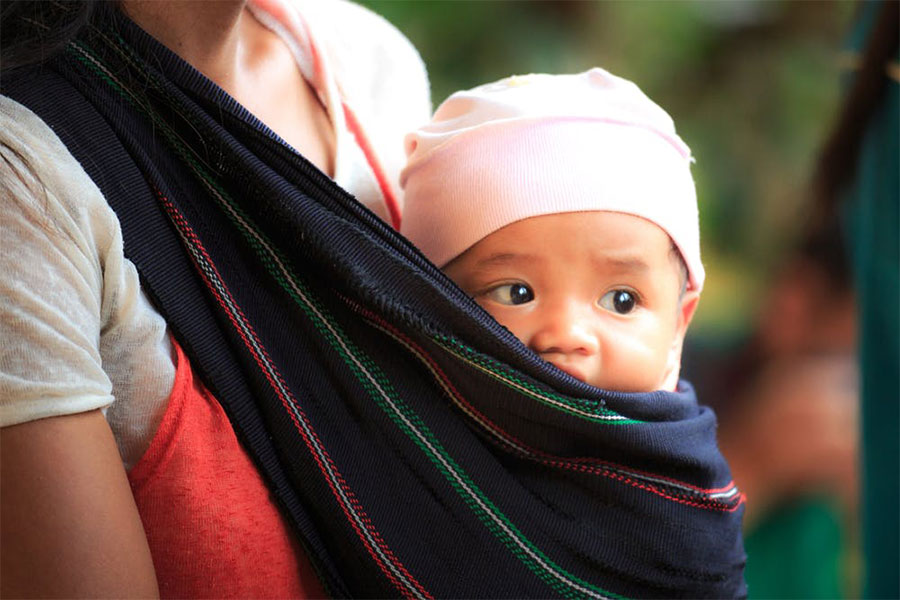
When María found out she was pregnant, joy quickly gave way to fear. An undocumented immigrant living in Philadelphia, she delayed prenatal care for months, worried that seeking medical help could expose her immigration status. “I didn’t know who I could trust,” she said. “I was afraid my personal information would be shared with Immigration.”
Across the United States, pregnancy for many Latinas now unfolds at the intersection of immigration policy, shrinking insurance options, and a fragile maternity care system. Under the Law introduced and supported by President Trump, the One Big Beautiful Bill (OBBB), gaps in health coverage have widened, while clinic closures and staffing shortages have made quality maternity care harder to reach—especially for low-income and immigrant families. And have created fewer access points to maternal healthcare. Since 2025, birth centers and hospital maternity units serving working-class communities have been closing. Many pregnant Latinas work in jobs without employer-sponsored insurance and earn too much to qualify for Medicaid, yet too little to afford private plans.
In Pennsylvania, undocumented pregnant women are not entirely shut out. Planned Parenthood, public hospitals, and community clinics provide prenatal, labor, and delivery services without requiring immigration status disclosure because fear of deportation has now become a health risk. Immigration enforcement policies and years of misinformation have created a lasting effect, and many women enter prenatal care late, miss follow-ups, or rely on emergency rooms during labor.
Cecile Richards, president of Planned Parenthood Federation of America, says, “At Planned Parenthood, we believe that the ability to migrate with dignity and access health care without fear of deportation or detention due to one’s immigration status is an integral part of what it means to have a healthy and complete life. Part of honoring immigrant heritage in this country is ensuring that we advance health equity so that everyone can live a life of dignity—no matter what.” Even when care is available, quality can be uneven. Overburdened clinics face staffing shortages and reduced interpreter services.
Patients may see multiple providers instead of one consistent clinician, increasing the risk of missed complications such as gestational diabetes and pre-eclampsia. Postpartum essential after birth—is often the first service to be delayed or lost. Philadelphia’s separation between city services and federal immigration enforcement agencies remains a key safeguard: hospitals and clinics do not report patients to ICE, and medical records are protected by federal privacy laws. Yet fear persists.
Many undocumented women rely on neighbors, doulas, and community health workers to find safe care. For María, reassurance came from a trusted neighbor who guided her to a local clinic. She eventually received prenatal care and delivered a healthy baby. “No woman should be afraid to get care when she’s pregnant,” she said. “We all deserve to feel safe.” For a young Latina in Philadelphia who is or thinks she is pregnant, the safest first step is to seek care early and confidentially.
You will not have to share your immigration status with providers to receive maternity healthcare. Your first step can be to call 211 (dial 211), which is a free and confidential service available in Spanish. An operator will be able to connect you to a clinic, prenatal programs, and patient navigators who work with undocumented and uninsured women. You can also go directly to a Planned Parenthood, where staff provide prenatal care on a sliding-scale fee and will not ask about immigration status.
If you are in labor, bleeding heavily, or having severe pain, go right away to the nearest hospital emergency room. According to Pennsylvania law, hospitals must treat you in an emergency, including childbirth, without asking about your status. For safety, bring only necessary documents, like something showing your name and address, and ask to speak with a patient navigator or social worker.
It is very important to remember that Philadelphia hospitals and clinics will treat you and will not turn you away. They do not report patients to ICE. If you feel unsure, a trusted community health worker, doula, or local advocate can help guide you step by step—quietly and safely.