


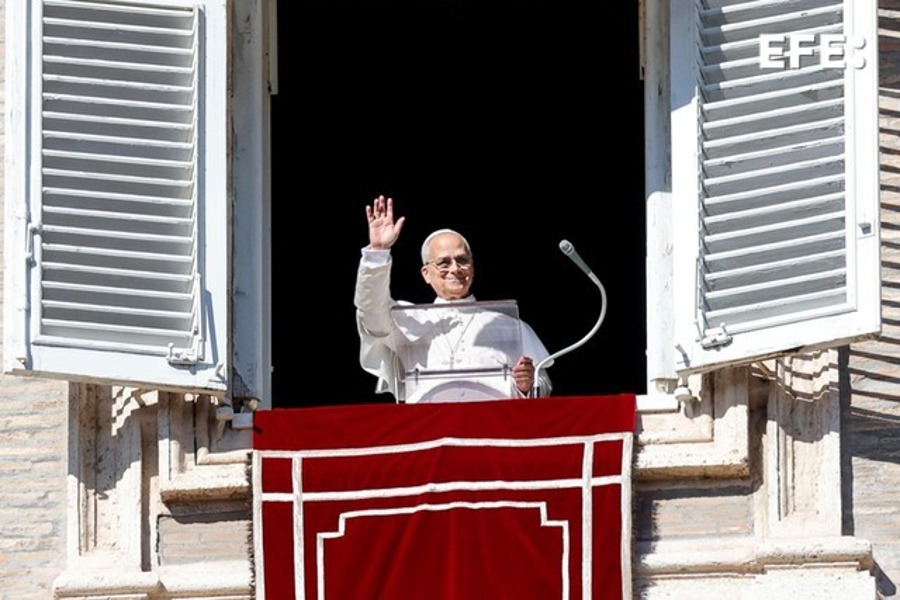
Pope Leo XIV on Monday praised the benefits of technological and artificial intelligence (AI) developments for humanity but also warned of their potentially destructive power when guided by anti-human ideologies.
“There is no doubt that technological progress has brought, and continues to bring, significant benefits to humanity, especially in the fields of medicine and health,” the pontiff said in a message to a forum on AI and medicine organized by the Pontifical Academy for Life.
However, he stressed that to “ensure genuine progress,” it is “imperative” that “human dignity and the common good” remain an “absolute priority” for individuals and institutions alike.
According to Leo XIV, technological advances, if misused, are capable of producing “even more devastating instruments” than those of the past.
“It is easy to recognize the destructive potential of technology, even of medical research, when placed at the service of inhuman ideologies. In this sense, historical experience serves as a warning: the tools we possess today are far more powerful and can cause even greater harm to people and nations,” he said.
Leo XIV, who took his papal name in honor of Leo XIII, the pope of the Industrial Revolution, said the modern era of technological expansion mirrors that transformative period, shaping humanity’s way of thinking and perception of others.
“Today, we interact with machines as if they were our interlocutors, almost becoming extensions of them. In doing so, we risk not only losing sight of the faces of those around us but also forgetting how to recognize and value what is truly human,” he cautioned.
The pope emphasized the “great importance” of exploring the ethical use of AI in medicine and urged “broad collaboration” between the health and political sectors to ensure equitable access to these advancements.
“Given the vast economic interests often at stake in medicine and technology, and the ensuing struggle for control, it is essential to promote wide-ranging cooperation among all those working in healthcare and policymaking, extending beyond national borders,” he said.