


Charles Dickens opened A Tale of Two Cities with the famous words, “It was the best of times, it was the worst of times,” capturing the contradictions of an era marked by both progress and uncertainty. More than a century later, those words still resonate. We live in a time of extraordinary innovation and opportunity, yet also one shaped by political polarization, economic inequality, and competing narratives about reality itself.
History does not repeat itself exactly, but it often reveals familiar patterns. Periods of instability tend to emerge when wealth becomes concentrated, trust in institutions declines, misinformation spreads, and everyday people face growing economic pressures. Today’s challenges—from rising housing costs and financial insecurity to political division—reflect some of those same underlying tensions.
But this Fourth of July, we celebrate more than the nation’s independence. We celebrate the ideals that inspired its founding: liberty, equality, self-government, and the belief that people have the power to shape their future. Those principles remain relevant today, but they require each generation’s commitment to preserve and strengthen them.
The Roman emperor and Stoic philosopher Marcus Aurelius offered a timeless reminder: the past is gone, the future has not yet arrived, and the only moment we truly possess is the present. His words encourage us to focus on what we can do today rather than becoming overwhelmed by uncertainty.
This summer, Philadelphia has visitors from around the world, reminding us of the value of community, shared experiences, and human connection. Those moments of unity offer a powerful counterbalance to division.
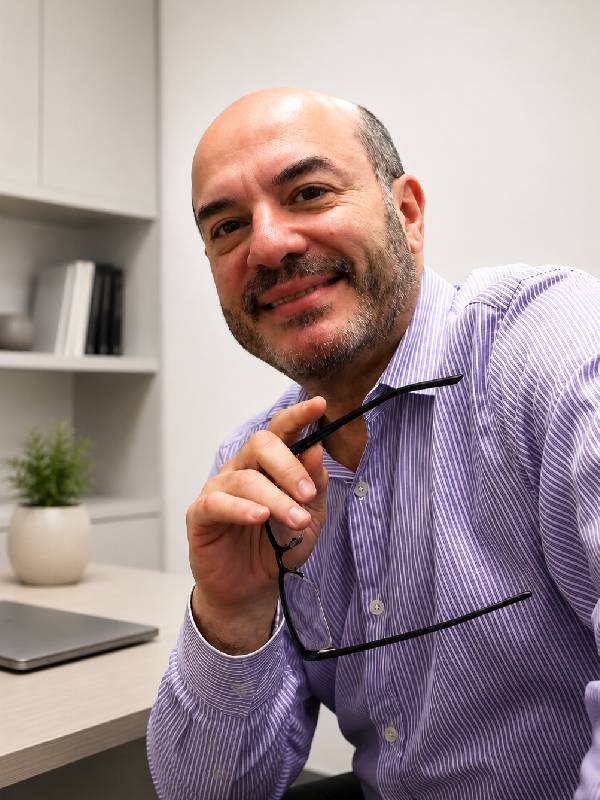
As we gather with family and friends, let us celebrate not only our freedoms but also our responsibility to protect the democratic values that sustain them. Even in challenging times, there is reason for optimism when citizens remain engaged, informed, and committed to one another. Happy Fourth of July. Appreciate the present, stay engaged, and keep hope alive. Uriel Rendón

Charles Dickens abrió Historia de dos ciudades con las célebres palabras: “Era el mejor de los tiempos; era el peor de los tiempos”, capturando las contradicciones de una época marcada tanto por el progreso como por la incertidumbre. Más de un siglo después, esas palabras siguen teniendo vigencia. Vivimos en un tiempo de extraordinaria innovación y oportunidades, pero también de polarización política, desigualdad económica y narrativas enfrentadas sobre la realidad misma.
Sin embargo este 4 de julio celebramos mucho más que la independencia de una nación. Celebramos los ideales que inspiraron su fundación: la libertad, la igualdad, el autogobierno y la convicción de que las personas tienen el poder de construir su propio futuro. Esos principios siguen siendo tan relevantes hoy como entonces, pero requieren el compromiso de cada generación para preservarlos y fortalecerlos.
El emperador romano y filósofo estoico Marco Aurelio nos dejó una reflexión atemporal: el pasado ya no existe, el futuro aún no ha llegado y el único momento que realmente poseemos es el presente. Sus palabras nos invitan a concentrarnos en lo que podemos hacer hoy, en lugar de dejarnos dominar por la incertidumbre.
Este verano, Filadelfia recibió a visitantes de todo el mundo, recordándonos el valor de la comunidad, las experiencias compartidas y la conexión humana. Esos momentos de unidad representan un poderoso antídoto frente a la división.
Al reunirnos con familiares y amigos, celebremos no solo nuestras libertades, sino también la responsabilidad de proteger los valores democráticos que las sostienen. Incluso en tiempos difíciles, hay razones para mantener el optimismo cuando los ciudadanos permanecen comprometidos, informados y dispuestos a trabajar juntos.
Feliz 4 de Julio. Apreciemos el presente, mantengámonos comprometidos y conservemos viva la esperanza. Uriel Rendón
To me, being Latino in the United States means carrying the stories, sacrifices, and dreams of the people who came before us. It means living with pride in where we come from while also trying to build a future in a country that doesn’t value us. As the United States celebrates the 250th anniversary, I think it is important to remember that Latinos are not outsiders to this country’s story. We have helped build it, shape it, feed it, defend it, teach it, organize it, and make it more cultured.
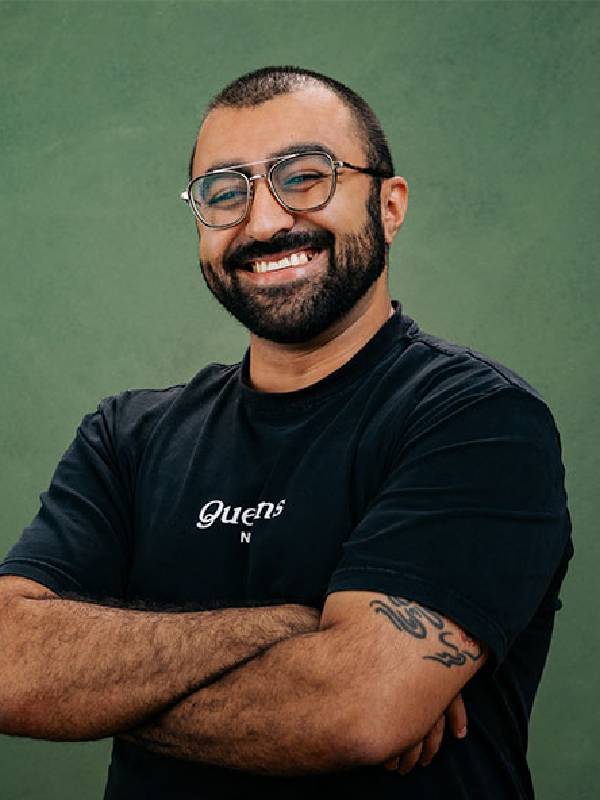
Being Latino here means honoring our roots and continuing to create a future where our communities are recognized and respected. Christopher Cruz
Para mí, ser latino en Estados Unidos significa llevar con nosotros las historias, los sacrificios y los sueños de quienes nos precedieron. Significa sentir orgullo por nuestras raíces mientras trabajamos por construir un futuro en un país que muchas veces no reconoce ni valora plenamente nuestras contribuciones. Ahora que Estados Unidos celebra su 250.º aniversario, es importante recordar que los latinos no somos ajenos a la historia de esta nación. Hemos ayudado a construirla, transformarla, alimentarla, defenderla, educarla, organizarla y enriquecer su cultura. Ser latino aquí significa honrar nuestras raíces y seguir forjando un futuro en el que nuestras comunidades sean reconocidas, valoradas y respetadas. Christopher Cruz
Desde que llegué a Estados Unidos aprendí que, al final del día, todos somos un poco de aquí y de dónde venimos.
Que al trabajo se le dice chamba, que la plata también son chavos, que un poquito es un chin, que un niño es un carajito y que los amigos son parceros, cuates, carnales, panas, primos y brothers.
Habitar este país me ha enseñado a traducir a otro idioma de dónde soy, a justificar mi acento y mi color de piel; y a convertir las grietas que tengo en el corazón por estar lejos de casa en el espacio donde habitan los nuevos mundos que me encuentro cada día. Cristian Marín Macías
Since arriving in the United States, I’ve learned that, at the end of the day, we all belong a little to this place and a little to where we come from.
I’ve learned that work can be called chamba, that money can also be chavos, that a little bit is un chin, that a child can be a carajito, and that friends are parceros, cuates, carnales, panas, primos, and brothers.
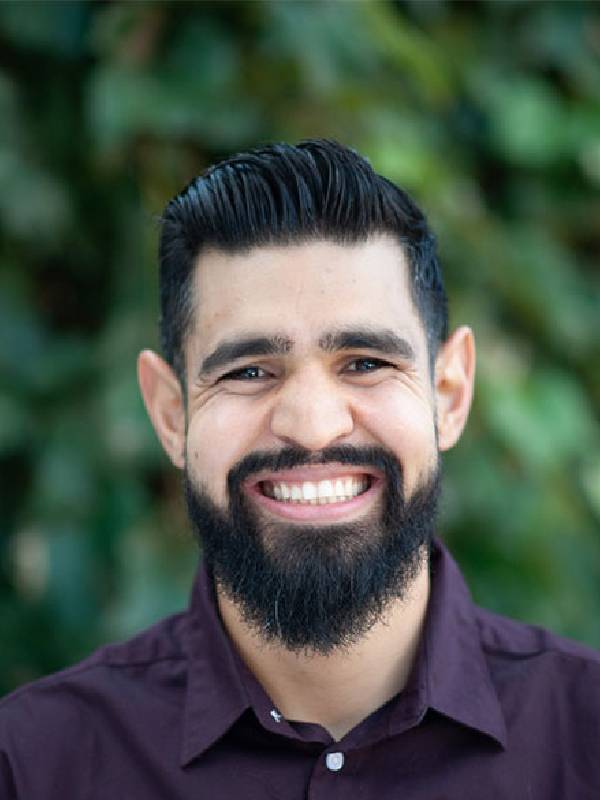
Living in this country has taught me how to explain where I come from in another language, how to justify my accent and the color of my skin, and how to transform the cracks in my heart from being far from home into a space where the new worlds I encounter every day can take root and flourish. Cristian Marín Macías
Al mirar mi vida, siempre regreso a la imagen de aquella niña que cruzó la frontera siguiendo los sueños de sus padres. Yo no entendía entonces lo que significaba emigrar, pero ellos sí: dejaron atrás una parte de su historia para ofrecerles a sus hijos nuevas oportunidades.
Desde la década de 1980, Estados Unidos se convirtió en mi hogar. Aquí crecí, formé una familia, construí amistades entrañables y conocí personas de muchas culturas.
Durante más de cuarenta años he convivido con personas de distintos orígenes. Esa experiencia me enseñó que la diversidad no nos divide; nos fortalece. Hoy veo esa realidad reflejada en mis hijos y nietos, quienes representan una hermosa mezcla de raíces mexicanas, puertorriqueñas, afromexicanas y anglosajonas. Ellos son prueba de que las culturas no desaparecen cuando se encuentran; florecen.
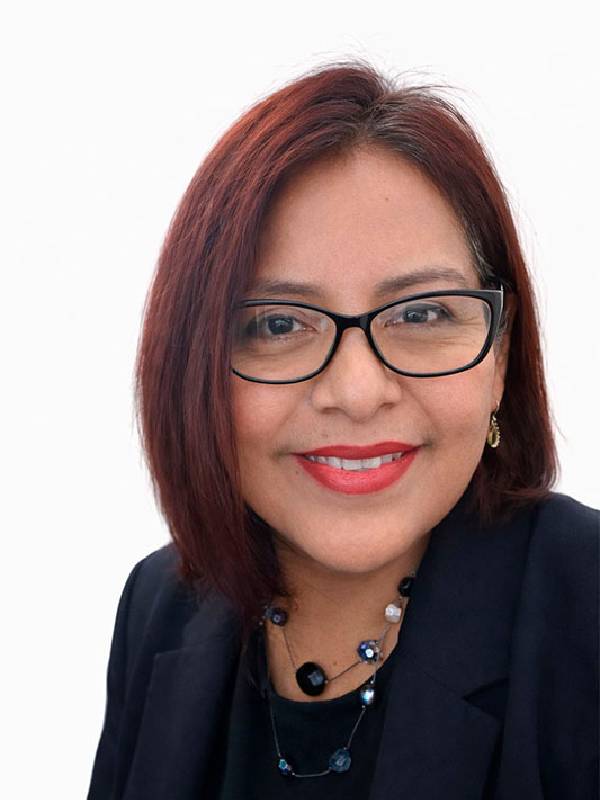
Con el tiempo entendí que ser inmigrante significa vivir entre dos mundos sin dejar de pertenecer a ninguno. Es extrañar el lugar donde naciste mientras aprendes a amar el que te recibió. Es conservar tradiciones, idioma y recuerdos mientras construyes nuevas oportunidades para las generaciones que vienen. Olga Rentería
When I reflect on my life, I always return to the image of a little girl crossing the border, following her parents’ dreams. I did not fully understand what immigration meant at the time, but my parents did. They left behind part of their lives to give their children the opportunity to build a better future.
Since the 1980s, the United States has been my home. Here I grew up, raised a family, built lifelong friendships, and met people from many different backgrounds.
For more than forty years, I have shared my life with people from different cultures and backgrounds. Those experiences taught me that diversity does not divide us—it enriches us. Today, I see that truth reflected in my children and grandchildren, whose heritage blends Mexican, Puerto Rican, Afro-Mexican, and Anglo roots. They demonstrate that cultures do not disappear when they meet; they grow stronger.
Over time, I learned that being an immigrant means living between two worlds without fully leaving either one behind. It means missing the place where you were born while learning to love the place that welcomed you. It means preserving traditions, language, and memories while creating new opportunities for future generations. Olga Rentería