


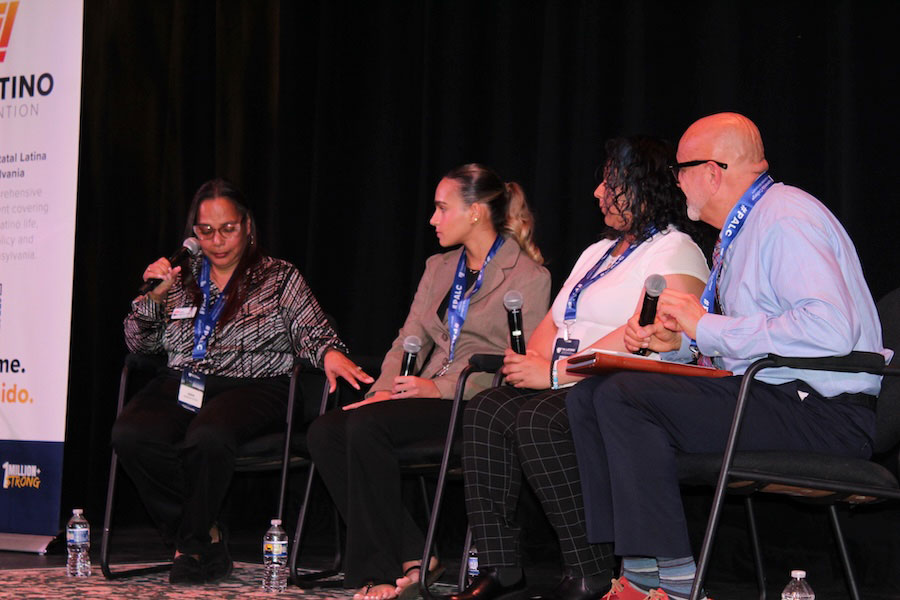
Easton, PA – A student could enter college with talent, ambition and ideas and still not know where to turn when pressure built. During a fireside chat at the 2026 Pennsylvania Latino Convention, East Stroudsburg University students and administrators explored a question that often received less attention: what difference could one advisor make in a student’s life?
For Latino youth, that question could carry additional weight. Some arrived on campus as immigrants or first-generation college students. Others came from working-class neighborhoods or communities where higher education may have felt distant. Their experiences differed, but many were learning to navigate institutions and opportunities that may have been unfamiliar to their families.

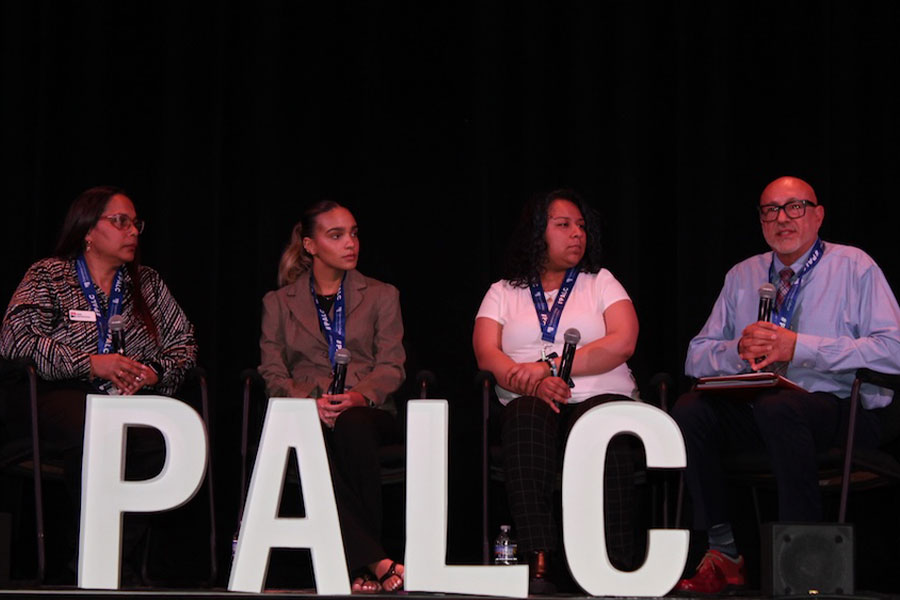
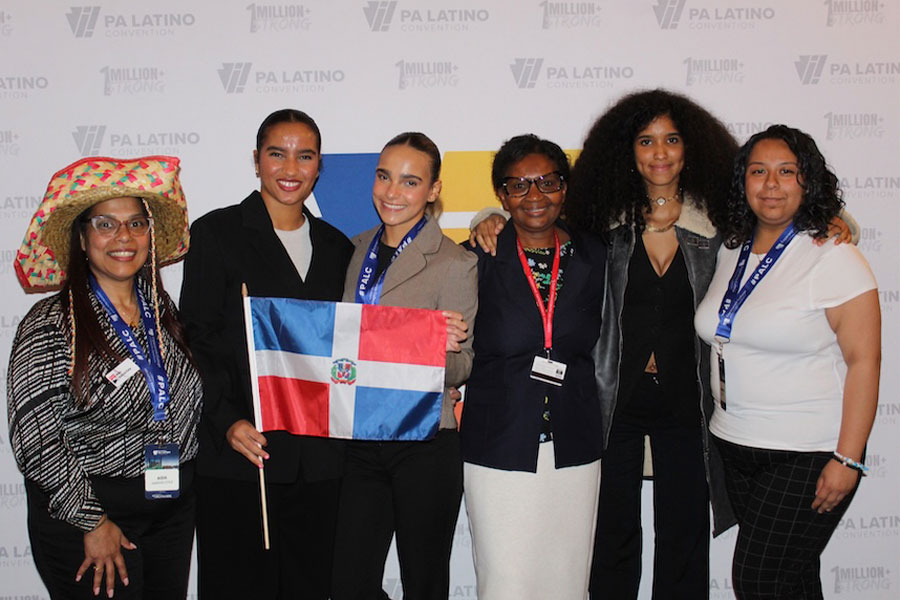
The conversation brought together Santiago Solís, vice president of Campus Life and Inclusive Excellence at East Stroudsburg University; Aída García-Cole, M.S., assistant registrar for Graduation Services and advisor for MANA de East Stroudsburg University; and students María Heredia Rojas and Ariana Cruz.
Solis reflected on more than four decades of work in higher education and what he had learned from advising student organizations. His message was simple: advisors could provide connections and guidance, but students had to remain the driving force.
He described advising as a partnership. An advisor could introduce a student to the right person, explain an unfamiliar process or create access to an opportunity, but the student still had to step forward, make decisions and take ownership.
García-Cole shared how that approach had shaped her work with MANA at East Stroudsburg University. The organization had grown from students who wanted a space where Latinas could feel represented and supported on campus. Students had researched the national organization and helped move the idea forward, while García-Cole assisted with relationships and institutional steps needed to establish the chapter.
For her, advising also meant knowing when to step back.
She described helping students make initial connections with community organizations, then allowing them to manage the relationship, organize the work and make decisions. When a problem emerged, she could step in again. The goal was not to control the process. It was to prepare students to lead it.
Heredia Rojas and Cruz spoke about the value of having an advisor who was accessible, communicated with them and gave them room to make choices. Their comments showed that mentorship was not limited to planning events or completing paperwork. Sometimes its biggest impact happened in moments that never appeared on a résumé.
One student described going into García-Cole’s office during a difficult period and talking through what she was experiencing. Having someone available to listen and help made a difference.
That support could matter when students balanced academics, leadership, organizations and personal responsibilities while figuring out who they wanted to become.
For a young Latino student, mentorship could also provide something less visible: confirmation that they belonged in the room. A student could be academically prepared and still question whether they fit into college, leadership or professional spaces. An advisor who recognized their potential could help turn uncertainty into confidence.
The conversation also highlighted how culturally connected student organizations could create belonging. Students discussed finding peers who understood their backgrounds and experiences and being encouraged to become more involved on campus.
For some students, joining an organization might have begun with looking for community. Over time, that involvement could lead to managing budgets, coordinating programs, speaking publicly, building partnerships and eventually mentoring another student.
Solís and García-Cole emphasized that good advising was not about preventing students from making mistakes. Growth required room to make decisions, encounter challenges and learn from what happened next. The advisor remained present, but the student developed confidence to act independently.
That impact could extend beyond the university. Latino students who learned to advocate for themselves, organize others, build relationships and lead on campus could carry those skills back into their families and communities. The young person receiving guidance then could eventually become the mentor or community leader helping someone else find their way.
The fireside chat offered a different way to think about student success. College support was often measured through programs and outcomes, but relationships could be just as important.
An advisor could not take a class for a student, lead every organization or make every difficult decision. What an advisor could do was recognize potential, connect a student with opportunity and create enough support for that student to discover what they were capable of doing themselves.
For the young people on the stage, mentorship was not described as someone taking over their journey.
It was someone making sure they did not have to navigate it alone.