


Most descendants of Indigenous peoples in the United States, the Caribbean, and Latin America maintain ancestral beliefs about their interconnectedness with plants, animals, and the natural world. For centuries, they have upheld a responsibility to protect natural resources for future generations. This worldview stands in sharp contrast to the legacy of colonialism, land dispossession, forced displacement, environmental racism, and efforts by governments, industries, and corporations to erase Indigenous history and culture.
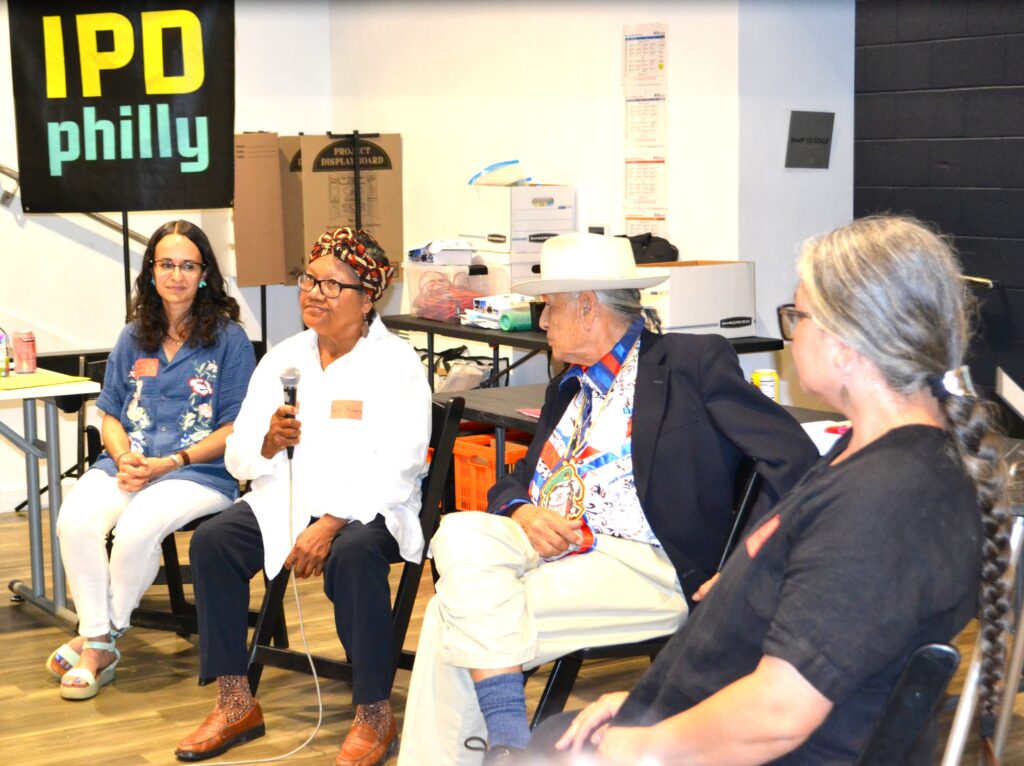
In North Philadelphia, Mabel Negrete, executive director of the nonprofit organization Indigenous People’s Day, along with her team, organized a day-long series of presentations on August 1 under the theme “Climate Crisis is not Neutral: Reclaiming Land, Cultures & Futures” at Taller Puertorriqueño. The event featured speakers engaged in conservation projects at both the personal and community levels, highlighting initiatives that contribute to environmental stewardship.

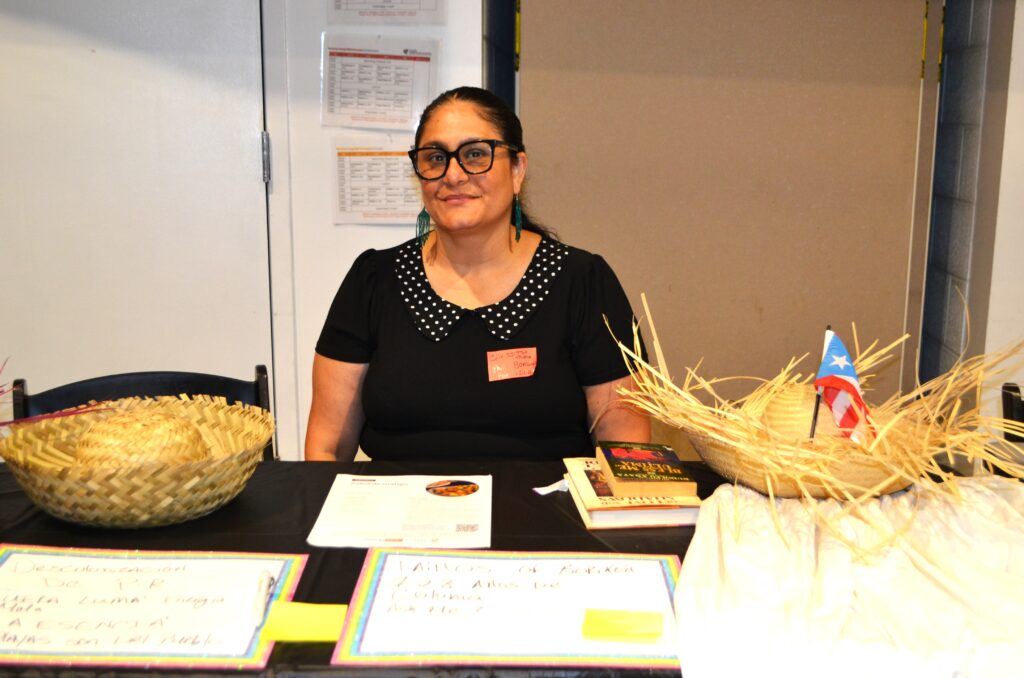
Dr. John Thomas participated alongside students from Perkiomen Valley Middle School East in Collegeville, Pennsylvania, to discuss the Lenape Arboretum Project, established in 2021. Layla Johnston of the Cherokee Nation shared her work distributing native seeds and plants from her ancestral territory. Eugene Black Crow, founder and director of the Lakhota Woglakapo Project, spoke about providing free tutoring to help preserve the Lakota language among community members.

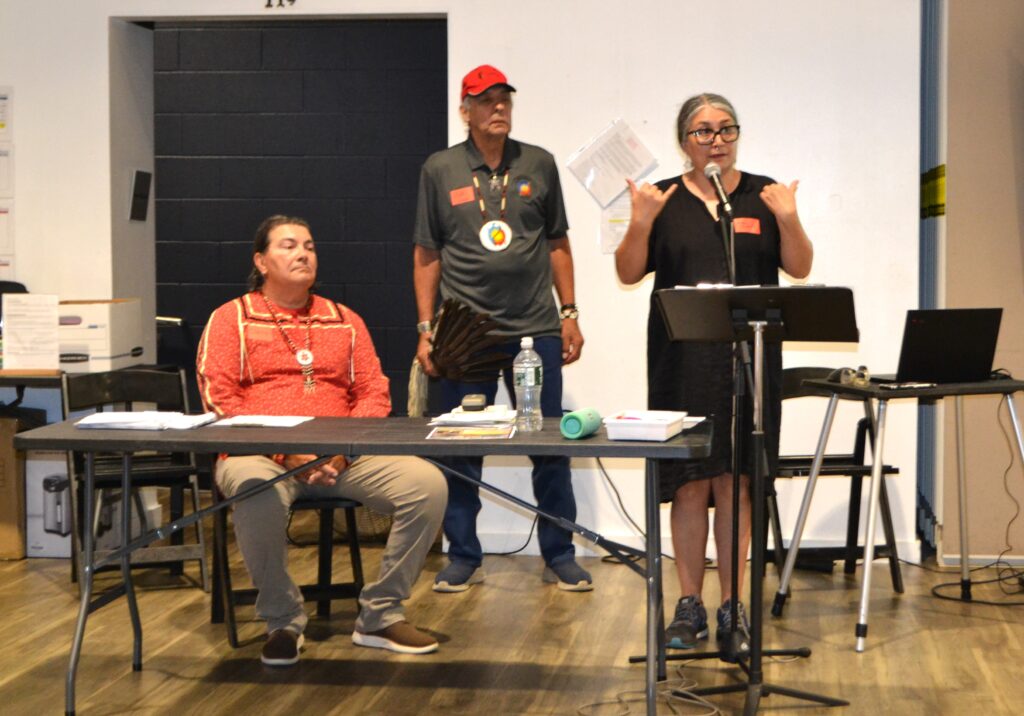
Black Crow’s presentation focused on reclaiming the history of Pennsylvania before the fraudulent 1737 treaty engineered by Thomas Penn, son of Pennsylvania founder William Penn. According to historical accounts, Thomas Penn hired and trained the colony’s three fastest runners to participate in what became known as the Walking Purchase. On September 19, 1737, the runners traveled at marathon pace along a trail that had been cleared in advance, covering more than 65 miles, or approximately 105 kilometers, enabling colonial authorities to claim a vast area of Indigenous land.
Priscila Flores, who is of Purépecha descent, was born and raised in California’s Central Valley and has documented both the history of the region and that of her own family. Bart Cartwright, a member of the Delaware Nation, has served as an education advisor at the Museum of the American Indian since 2019.
Puerto Rican activist Iris Brown, who was born in Loíza Aldea, spoke about Grupo Motivos, a grassroots initiative that eventually evolved into Philadelphia’s Norris Square Neighborhood Project, which includes community garden plots. Brown recalled how a group of women came together to organize the collective as a response to drug trafficking in their neighborhood while also creating spaces for community building and urban agriculture.

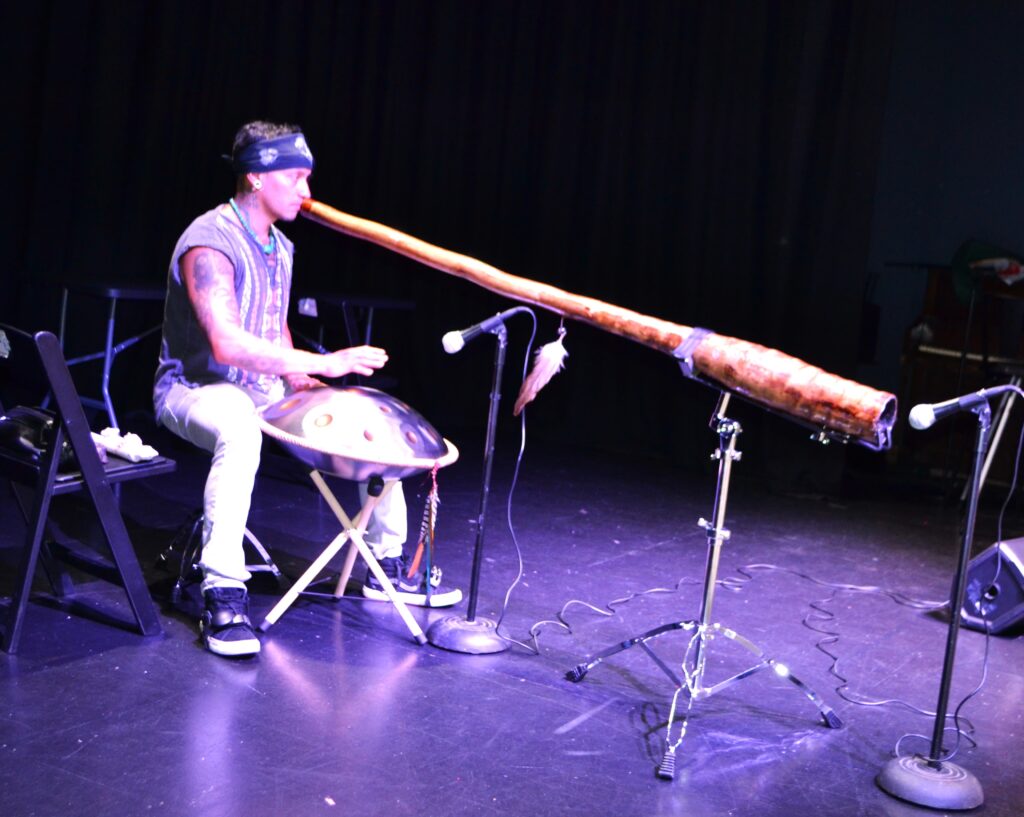
Although the event focused broadly on the climate crisis, the gathering also celebrated culture through music, dance, and food prepared by chef Joseph Rocchi.
Beyond discussions about climate change, the event highlighted how Indigenous peoples and historically marginalized communities continue to lead efforts in conservation, education, and cultural preservation. Their experiences demonstrate that environmental protection is deeply connected to the defense of ancestral lands, historical memory, and social justice, all of which are essential to building a more sustainable and equitable future.